
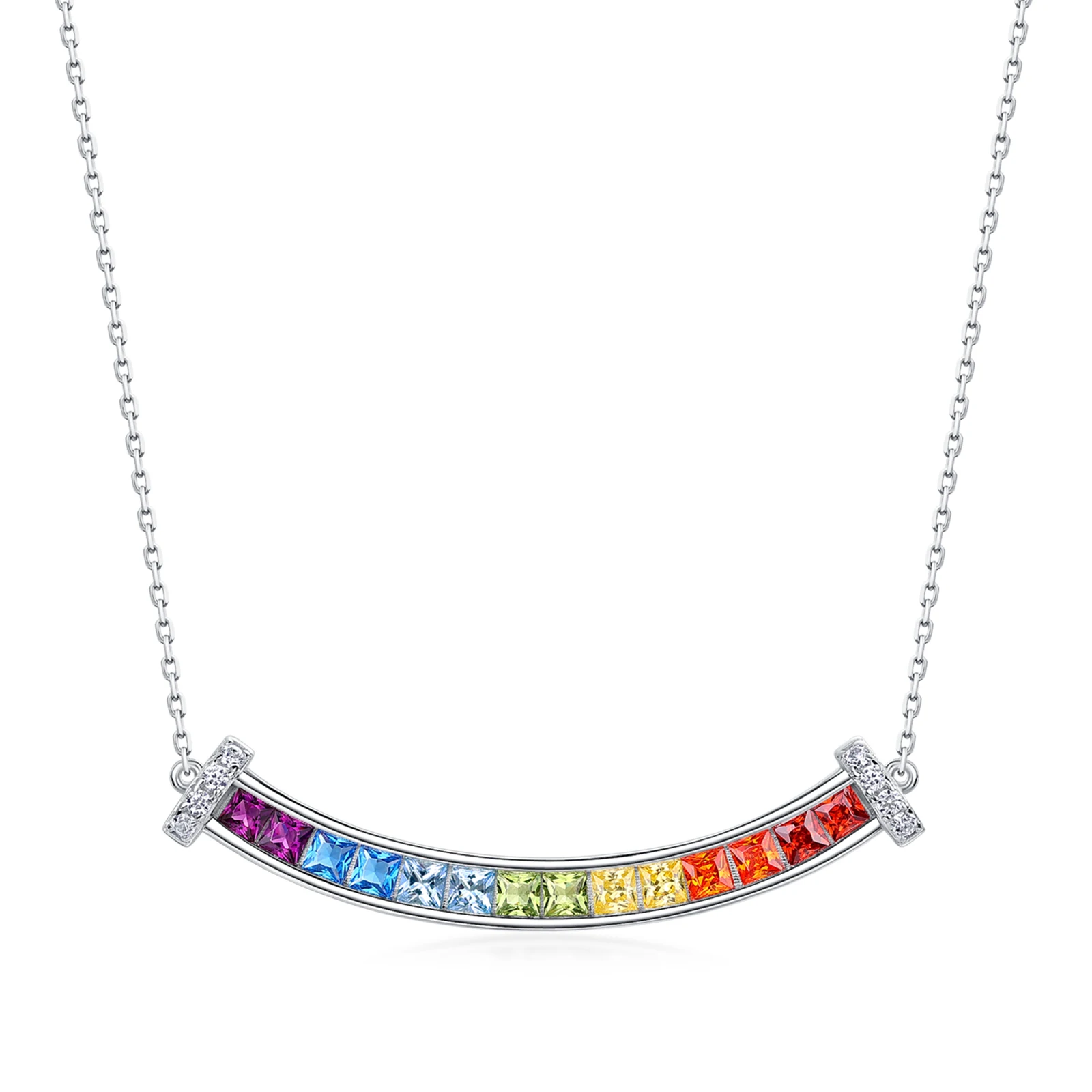
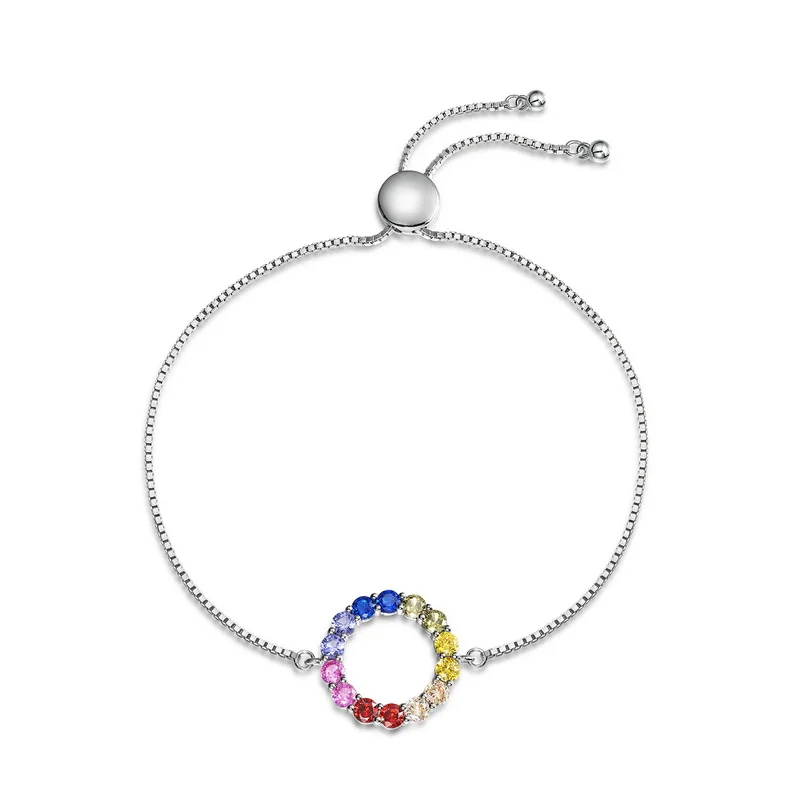
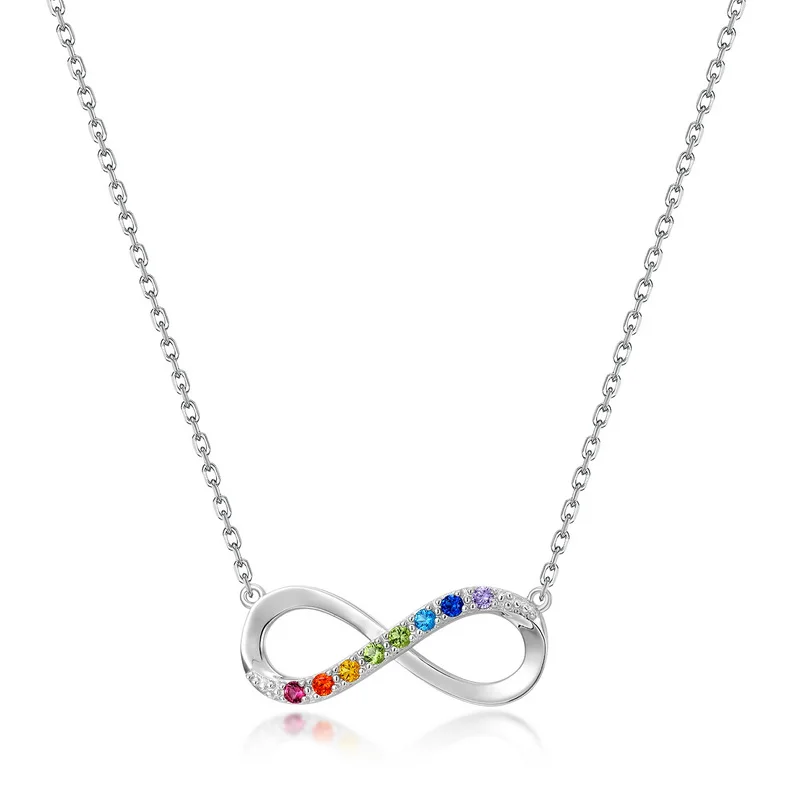
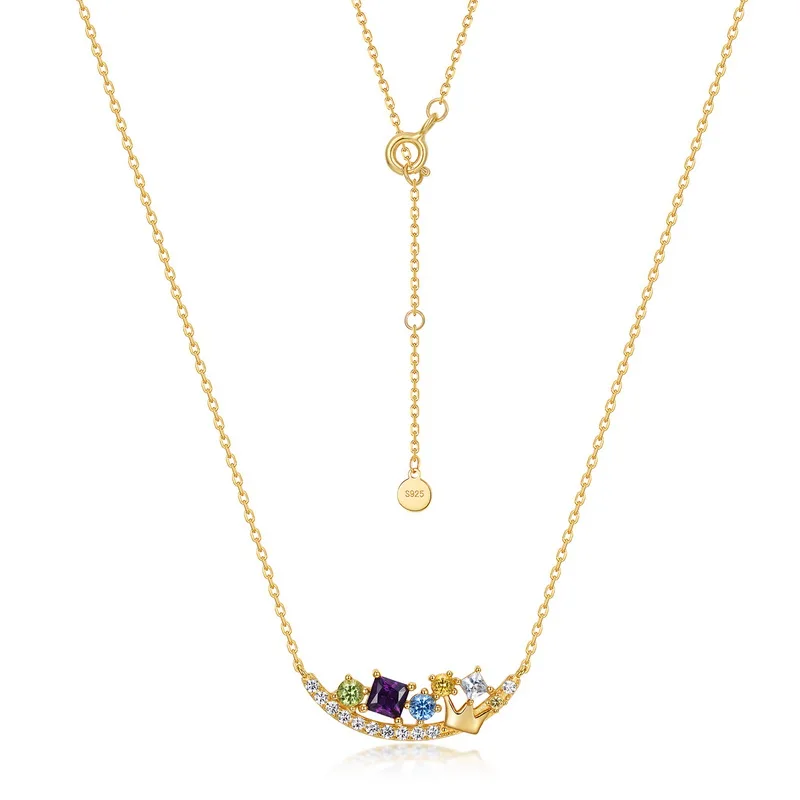
Which Hand Does an Anniversary Ring Go On? A Practical Guide to Placement and FitAn anniversary ring can go on either hand. Many people place it with a wedding band on the left ring finger, while others wear it on the right ring finger or another comfortable finger. There is no universal placement rule. The useful question is where the new ring will feel secure, work with the rings you already wear, and suit your daily routine.
That answer sounds simple until you actually try on three rings at once. A band that looks perfect beside an engagement ring may sit awkwardly against its setting. A gift sized for the left hand may fit the right hand differently. A sparkling anniversary band may also be the ring you would most like to wear alone. This guide turns those practical choices into a clear process, without treating a personal tradition as a rule everyone must follow.

What is an anniversary ring?
An anniversary ring is a ring given or chosen to mark a relationship milestone. It may be a plain band, a gemstone band, a ring with several stones, or an entirely different design. The name describes the reason for the gift, not a required shape or a fixed location on the hand. A couple can choose one together, surprise each other, or simply mark a date with a ring one person has wanted for years.
You may also hear the term eternity band. That usually describes a design with stones continuing around much or all of the circumference. It is a style description, not a synonym for every anniversary ring. A half eternity style has stones over only part of the band; a full eternity style carries them farther around. Neither arrangement dictates which finger should hold the ring. The distinction matters more for comfort, future sizing, and how the ring meets neighboring bands.
Before choosing a placement, separate the meaning of the gift from its physical design. The date can be celebrated by a ring worn every day, a ring kept for dressier occasions, or a piece switched between hands. Each option can represent the same milestone. You do not need to build a rigid ritual around a piece of jewelry that should be enjoyable to wear.
Which hand is the most common choice?
For someone who already wears a wedding band and engagement ring on the left hand, the left ring finger is an obvious place to try an anniversary ring first. It keeps the rings together and makes the new piece part of a familiar set. Some people add the anniversary band above the engagement ring; others place it below or wear it between two bands. The best arrangement is the one that feels balanced when the hand is open, closed, and moving.
The right ring finger is an equally reasonable choice. It lets the anniversary ring have its own space and avoids making the bridal set too tall or tight. It can also show off a distinctive design that would be partly hidden in a stack. If your hands are different sizes, measure the intended finger rather than assuming the left ring finger measurement will transfer. Even two ring fingers on the same person need not have identical fit.
Other fingers are possible too. A slimmer band may look appealing on an index or middle finger, provided the size and profile work there. The ring's meaning does not change because you move it. If you plan to switch fingers regularly, do not rely on one loose fit to serve every finger. A ring that slips over a knuckle easily may be insecure on a smaller finger.
Hand choice can also be shaped by family custom, profession, personal comfort, or the way you use your hands. A person who removes jewelry for work may prefer the hand that makes removal simpler. Someone with a larger engagement ring may like a quiet right-hand band. The point is to test the physical arrangement instead of treating a photo of another person's hand as a sizing plan.
Start with the rings you already own
Lay out your existing rings before shopping. Note which ones are daily pieces and which ones are occasional. Then identify the ring you would remove first if the stack felt crowded. This quick exercise reveals whether you want the new band to join a set, replace part of it for some days, or stand alone. All three are valid, but they lead to different widths and settings.
Look at the engagement ring from the side, not only from above. A low-set center stone may leave little room for a straight band to sit flush. A high setting might create space under its head, but the exact clearance depends on the design. A curved band can follow an existing outline, yet that contour may look unusual when worn alone. If you want flexibility, try a straight and a shaped band against the actual ring.
Notice contact points. Two bands that meet at one hard corner can rub in a small area. Stones, prongs, and textured edges deserve extra attention because they can catch or press against another ring. A narrow plain band between two more detailed pieces may create visual breathing room, but it can also change the combined fit. Try the full group at once rather than judging each ring separately.
If an engagement ring and wedding band are permanently joined, the stack will have less flexibility. In that case a right-hand anniversary ring may be more comfortable than adding a third ring to an already broad unit. If the rings are separate, alternate arrangements are easier. You could wear the anniversary ring beside the wedding band one day and alone on the other hand the next.
How to decide whether to stack or separate
Choose a stack if the rings sit comfortably together
A stack can tell a visual story: wedding band, engagement ring, then a later milestone. The appeal is personal, but the fit needs to work. Place all intended rings on the same finger and wear them while you make a fist, type, hold a mug, and put a hand in a pocket. A brief mirror check will not reveal every pressure point. Pay attention to whether any ring turns, pinches, or pushes a neighboring setting sideways.
Stack width matters. Three slim bands may be easier to wear than two broad ones, but there is no universal threshold. The total surface contacting your finger changes how the group feels. A wide stack can require a different size from a single narrow ring. It may also trap more warmth or feel different as fingers swell during the day. Judge the entire combination rather than ordering an anniversary ring from a single-ring measurement.
Choose a separate hand if the design needs space
A bold center stone, tall setting, or sculpted shank may look clearer on its own. Separate placement also helps when two rings have incompatible profiles. You avoid forcing a curved wedding set to accept a straight new band, and the anniversary ring becomes easy to enjoy without moving the bridal rings. This is especially useful if you prefer a ring with a different metal color or a noticeably different silhouette.
Separate placement can protect comfort as well as appearance. If a neighboring band presses against an exposed stone setting, moving the new ring to the other hand removes that specific contact. It does not make any ring indestructible, of course. You still need to choose a suitable setting and remove jewelry for activities that could strike or snag it.
Consider wearing it instead of another ring on some days
Some people enjoy a pared-down hand. An anniversary ring can take the place of an engagement ring for travel, errands, or a low-key outfit, while the wedding band stays. Others wear the anniversary ring alone and put the whole bridal set away for the day. This approach can make a decorative ring more useful than a fixed three-ring arrangement. Decide whether the new ring still looks complete on its own before choosing a contoured or nesting design.
Fit the finger where the ring will actually live
Measure the intended finger. That sounds obvious, yet gift buyers often copy an old ring size without checking which finger the old ring fits. Ring size can vary between hands and between fingers. It can also vary with temperature, time of day, and normal changes in the hand. A ring should pass the knuckle without excessive force and rest securely at the base without spinning freely.
If the ring will join a stack, try the combined width. Multiple bands occupy more of the finger than one. A size that feels right for a single thin ring can feel restrictive in a group. Your goal is not to loosen everything until the stack slides; it is to find a stable, comfortable fit for the configuration you expect to wear most often. A local jeweler can help evaluate an unusual fit or a ring that cannot easily be sized later.
Think about future adjustment before choosing a continuous stone band. A ring with stones around the full circumference can be harder to resize because there may be no plain metal section to alter. That does not mean such a ring is a poor choice. It means accurate sizing matters more, and the possibility of later changes should be discussed with the seller before purchase. A partly set band may offer more room for adjustment, depending on its construction.
Use a size guide as a starting point, then confirm the measurement for the exact finger and intended wearing pattern. Our ring size guide can help you prepare. If you are buying a surprise, a ring that already fits the correct finger can provide a clue, but do not assume every ring in the jewelry box belongs to the same hand.
Choose a design for the placement, not the other way around
If the anniversary ring will sit beside a wedding band, compare their edges. A straight band can create a deliberate gap near an engagement setting. A gently curved band may reduce the gap, but only if the curves actually align. Matching metal color is a style choice, not a requirement. The more important question is whether exposed settings and decorative surfaces meet in a way that causes discomfort or persistent rubbing.
For a right-hand ring, you have more freedom to choose a strong silhouette. A substantial band, a colored stone, or an asymmetrical design can stand on its own. Check whether its height and edges suit everyday activities. A ring that looks dramatic in a close-up image may be less convenient if it catches sleeves or gloves. View several angles and, when possible, try a similar profile before committing.
A low-profile band often feels quieter in daily use. A taller setting can give a center stone visual presence but may need more care around pockets, bags, and equipment. Neither profile is inherently the correct anniversary style. The answer depends on the intended finger and how often the ring will be worn. Browse ring styles with those practical questions in mind.
Stone placement also changes the experience. Stones across the top of the band concentrate sparkle where it is most visible and leave more plain metal on the underside. Stones extending around the sides may catch more light as the hand moves, while also requiring attention to sizing and contact with other objects. Examine product photos, material information, and the actual return terms before relying on a broad style name.
How to plan an anniversary ring as a gift
Start with the recipient's current habits. Do they always wear their wedding set, or do they switch rings? Do they like a coordinated look, or do they choose a different piece each morning? Those observations are more useful than an assumed rule about which anniversary deserves which gemstone. The milestone can guide the sentiment; daily habits should guide the ring's practical form.
If the recipient wants to stack, look closely at the existing rings. Photograph them from above and from the side for your own shopping notes. Record which hand and finger they use. A photo does not replace fitting, but it helps you spot whether a straight band will meet a raised setting or whether a decorative edge will press against prongs. For a surprise, choose a style with a clear exchange or resizing path after checking the seller's terms.
If you do not know the size, consider involving the recipient in the final selection. A small note, a planned visit, or a shared shortlist can preserve the occasion while avoiding an uncomfortable ring. For a deeply personal piece, choosing together may be part of the celebration rather than a failure of surprise. You can still decide the date, the budget, and the message behind the gift in advance.
Do not claim a stone or metal has a meaning that the recipient does not share. Some people love traditional milestone associations; others simply want a color they wear often. Ask what the ring should express in the language of your relationship. Then choose a design that fits the finger and the way the person lives.
Try a simple placement test at home
Once the ring arrives, begin with clean, dry hands and a calm moment. First wear it alone on the proposed finger. Check how it moves past the knuckle and whether it remains centered at the base. Then add the other rings you expect to wear with it. Rotate your hand under ordinary light and look at the sides as well as the top. The question is whether the arrangement feels natural, not whether every band sits perfectly flush.
Next, do gentle everyday motions. Open and close your hand, hold a phone, put on a jacket, and pick up a small object. Watch for the anniversary ring moving another ring into an uncomfortable angle. Do not use strenuous activity as a test. The goal is to catch ordinary friction and fit problems before deciding the placement is settled.
Repeat the check at another time of day if the fit feels borderline. Fingers can feel different when warm or cool. A ring that feels loose in one moment and tight in another may need professional sizing advice, especially if it is wide or set with stones around the band. If you notice pain, numbness, or a ring that cannot be removed normally, address the fit promptly rather than hoping it will become comfortable.
Finally, take a photo of the three arrangements: stacked with your existing rings, on the opposite hand, and worn alone. Photos can reveal which option shows the ring clearly. Comfort still has the deciding vote. A placement that photographs beautifully but requires constant adjustment is unlikely to become a favorite.
When the rings touch: what to inspect
Contact between rings is normal. The concern is concentrated pressure at delicate details. Look for a stone edge pressing into a neighboring band, a prong catching the other ring, or a textured surface rubbing one narrow point. These issues may not be obvious in a front-facing product photo. Side views and an in-person check help you understand how the pieces actually meet.
Different hardness and surface finishes can show wear differently. Polished metal can acquire marks during normal use, and stacked rings may rub each other. If preserving a particular finish matters to you, ask a jeweler whether the proposed combination is sensible. A thin spacer band can sometimes separate details, but it adds width and changes sizing. It is a design tool, not an automatic fix.
Inspect settings periodically if the rings are worn together. A stone that starts moving, a prong that catches fabric, or a new rough spot is a reason to stop wearing that combination until a professional checks it. Avoid trying to bend a prong back yourself. The ring is a keepsake; a prompt repair is better than continuing to wear a damaged setting.
Everyday care for a meaningful ring
Remove rings before activities that expose them to knocks, gripping pressure, or cleaning products. Put them in a consistent, secure place rather than on a sink edge. If the anniversary ring has gemstones, follow care guidance for the actual material and any treatments. Cleaning instructions are not interchangeable across every stone or setting.
Store separate rings so hard or protruding parts do not strike one another. A lined compartment or individual pouch helps prevent unnecessary contact. Wipe away ordinary residue with a suitable soft cloth, and check the seller's material instructions before using water or a cleaning solution. Our jewelry care page offers general starting points; a jeweler can advise on a particular ring.
Care is also about wear habits. If a ring is uncomfortable when stacked, moving it to another finger can be a sensible choice, but only after checking size and security. If a decorative setting catches in a familiar activity, reserve that ring for occasions when you can enjoy it without repeated impacts. A meaningful ring does not have to be worn every waking hour to matter.
Three placement examples to compare
A slim anniversary band with an established bridal set
Imagine a person who wears a narrow wedding band under a raised engagement ring. A second narrow band might fit above the engagement ring, but the three pieces will not necessarily stay aligned. The anniversary band could rotate into a gap or press on the setting as the hand moves. Start by wearing it beside the wedding band, then above the engagement ring, and finally on the right hand. Compare pressure, movement, and whether each ring remains visible. The neatest arrangement in a still photograph may not be the most stable during a normal day.
If the band is partly set with stones, check where the last stones meet the neighboring ring. A small twist could place a setting against a plain metal edge. This is a detail to inspect with the actual rings, not a reason to reject a design from a picture. If the set remains comfortable after ordinary movement, stacking may be a good answer. If it repeatedly shifts, separate placement may be more enjoyable.
A statement anniversary ring with a tall center
Now imagine a ring chosen because its center stone and metalwork are the whole point. Pushing it into a dense left-hand stack may hide its shape and create contact at the head of the setting. On the right hand, the same ring may read as a complete piece. The right-hand choice is not a second-best arrangement. It is often the clearest way to see a strong design and avoid unnecessary crowding.
Check the right hand's size and ordinary use. If that is your dominant hand, you may expose the ring to more frequent contact with desks, bags, or tools. You might still choose it for that hand, but you may prefer to remove it for particular tasks. A ring worn on a less-used finger can feel different even when the size is correct. Give yourself a short adjustment period while staying attentive to snagging or pressure.
A band chosen for flexible daily wear
A third person wants a ring that can join the wedding band on some days and stand alone on others. For this goal, an uncomplicated outline and a comfortable interior may be especially useful. A precisely contoured band can look seamless beside one engagement ring but leave an obvious curve when worn solo. A straight band may create a visible gap in the full set yet look natural alone. Neither is wrong; the wearer needs to decide which arrangement will be used more often.
Try the ring with the clothes and hand motions you actually use. A band with a continuous row of raised stones may feel different when carrying a bag or clasping your hands. A flatter band may disappear into your routine but deliver less of the distinctive sparkle you hoped for. This is where personal preference and physical fit meet. Choose the compromise you are happy to wear, not the one that sounds best in a product description.
Before ordering, make a short decision checklist
Write down the intended finger, current ring size if known, and whether the anniversary ring will be worn alone or with other rings. Note the approximate width of any existing stack and the shape of the engagement setting. Then ask whether the new ring can be adjusted if the size is imperfect. Those details will narrow your search far more effectively than a broad label such as “anniversary jewelry.”
Look for clear product information: dimensions, materials, stone description, multiple viewing angles, and the seller's current exchange policy. If a detail is missing, ask before purchase. A picture cannot tell you whether a band is comfortable over the knuckle or how a setting will meet another ring. Product images are useful for narrowing options; they are not substitutes for measurements and fit.
Set a realistic use plan. If this is a special-occasion ring, a more sculptural design may be exactly right. If it must survive a busy workday comfortably, simplicity, security, and easy removal may carry more weight. Decide that before being drawn to a photo that represents a very different way of wearing jewelry. The best ring is one the recipient will actually reach for.
Common anniversary ring placement questions
Does an anniversary ring have to go next to a wedding band?
No. It may sit beside a wedding band, on the opposite hand, or on another suitable finger. Placement is a personal choice. Try the ring with your existing set and consider fit, contact points, and whether the new design is clearer on its own.
Should the anniversary ring go above or below the engagement ring?
There is no required order. Try both arrangements. A band placed near the base of the finger may feel different from the same band above a raised setting. Choose the order that lets the rings sit securely without pressing against exposed details.
Can I wear an anniversary ring on my right hand?
Yes. The right ring finger is a useful option when the left-hand set is already full or the new ring deserves its own space. Measure that finger directly. Do not assume the size matches the left hand.
Can an anniversary band replace my engagement ring for daily wear?
Yes. Many people rotate rings to suit the day. A band that looks complete alone may be especially practical for this approach. Check its setting and materials for the actual activities in your routine, and store the unworn ring safely.
Do I need a matching metal color?
No. A coordinated metal color can make a stack look continuous, while a contrast can make the anniversary ring stand out. Consider how the surfaces touch and how you feel about visible wear. Style preference alone does not determine whether the rings fit well together.
What if the anniversary ring is a surprise and the size is wrong?
Check the seller's exchange and resizing terms before purchase. Some designs, especially continuous stone bands, can be difficult to alter. If the ring arrives and the fit is uncertain, avoid wearing it for activities where it could slip off. Seek a professional measurement for the intended finger.
Is a full eternity band always a good anniversary choice?
It can be beautiful, but it is not automatically the best choice for every wearer. Stones all around the finger can affect comfort and make size changes more complex. Compare it with partly set bands and plain bands based on the recipient's habits.
What if my wedding set is soldered together?
Try the anniversary ring separately first. A joined set may already be wide, so another ring on the same finger can feel crowded. The opposite hand gives the new piece room without changing the established set.
Can I move an anniversary ring between hands?
You can if it fits both fingers securely. Check each finger separately, because their sizes may differ. If the fit is loose on one hand, reserve that hand for short, low-risk wear or have a jeweler discuss a more reliable solution.
A useful way to make the final choice
Pick the finger and arrangement that you would choose on an ordinary morning, not only on the anniversary evening. The ring should pass a basic test: it fits the intended finger, sits comfortably with any neighboring pieces, shows the design you love, and suits the activities in which you plan to wear it. If one of those points fails, try a different placement before giving up on the ring itself.
An anniversary ring marks a date, but its best location is decided by the wearer. You can stack it, separate it, rotate it, or let it stand alone. The meaning stays with the piece; the practical choice makes it easier to enjoy for years.