
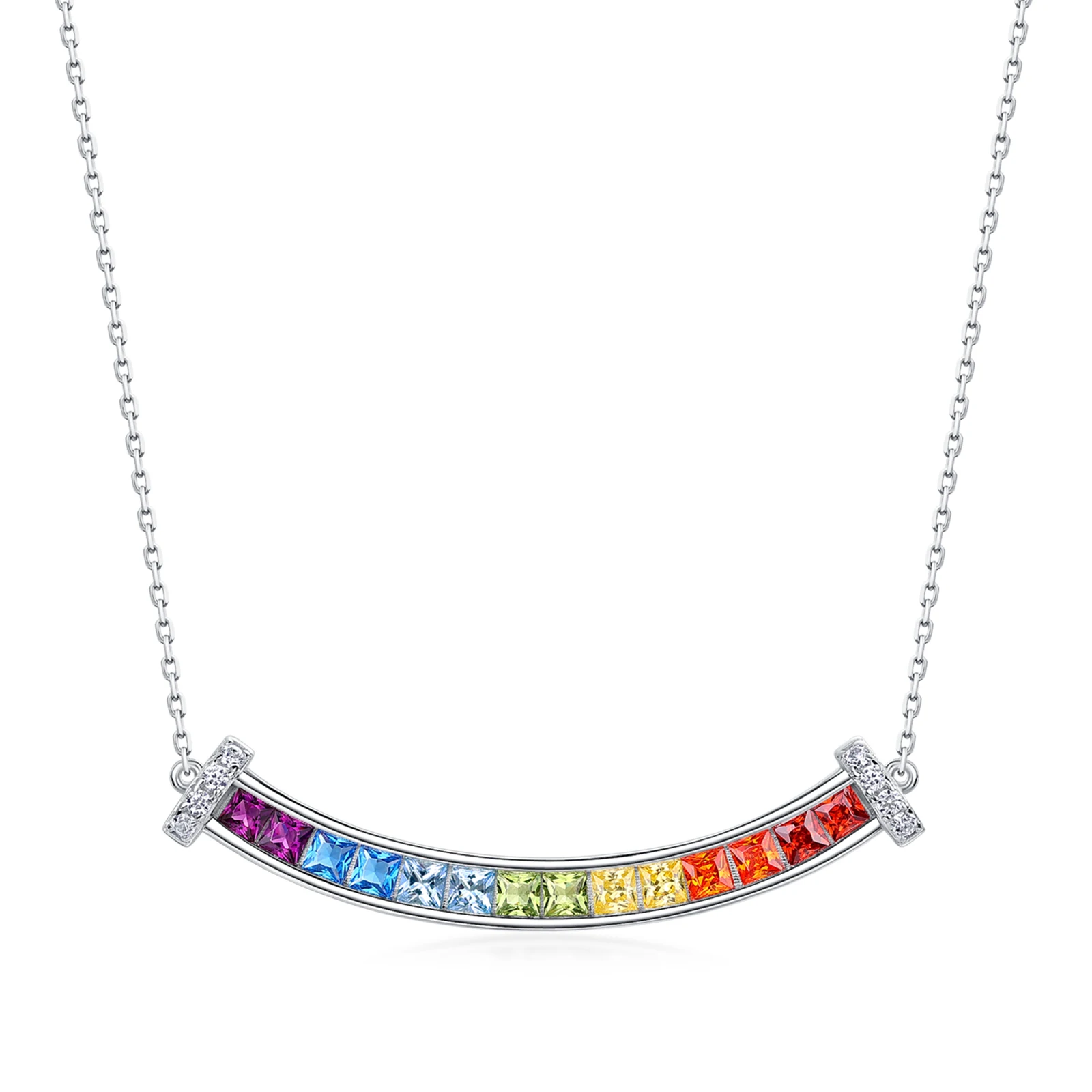
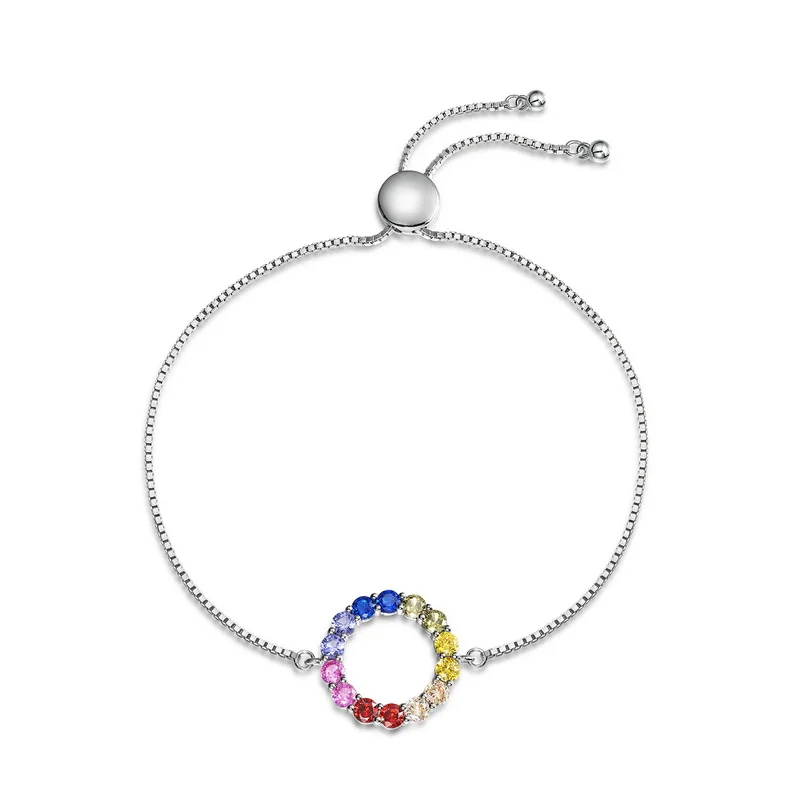
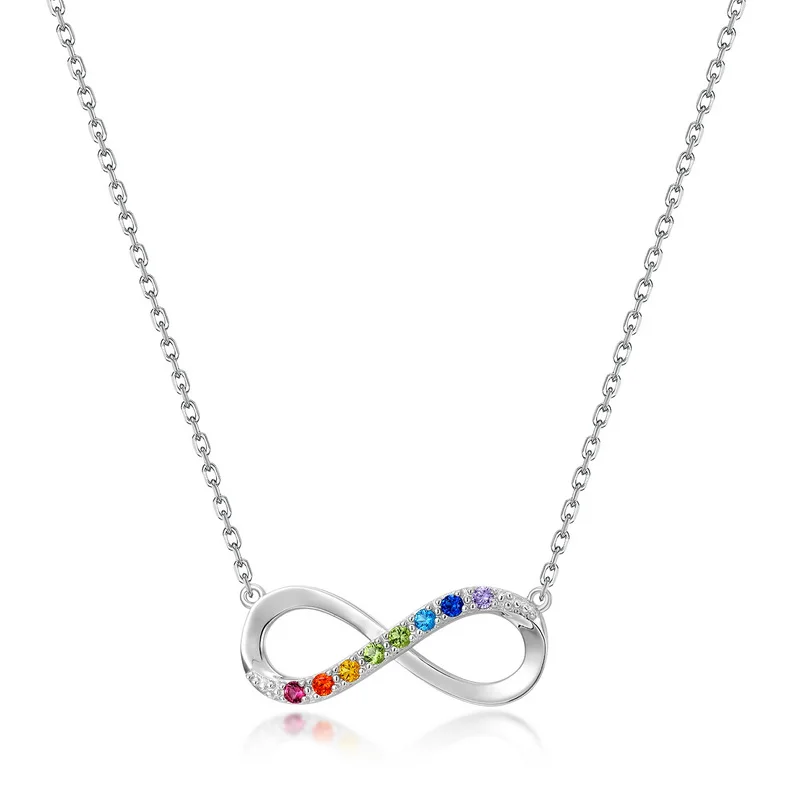
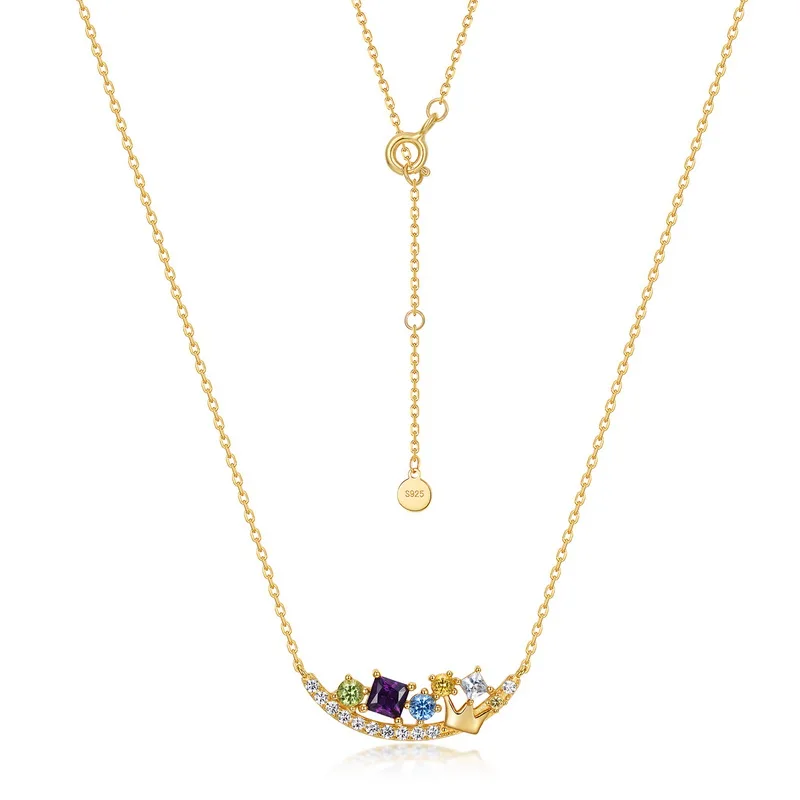
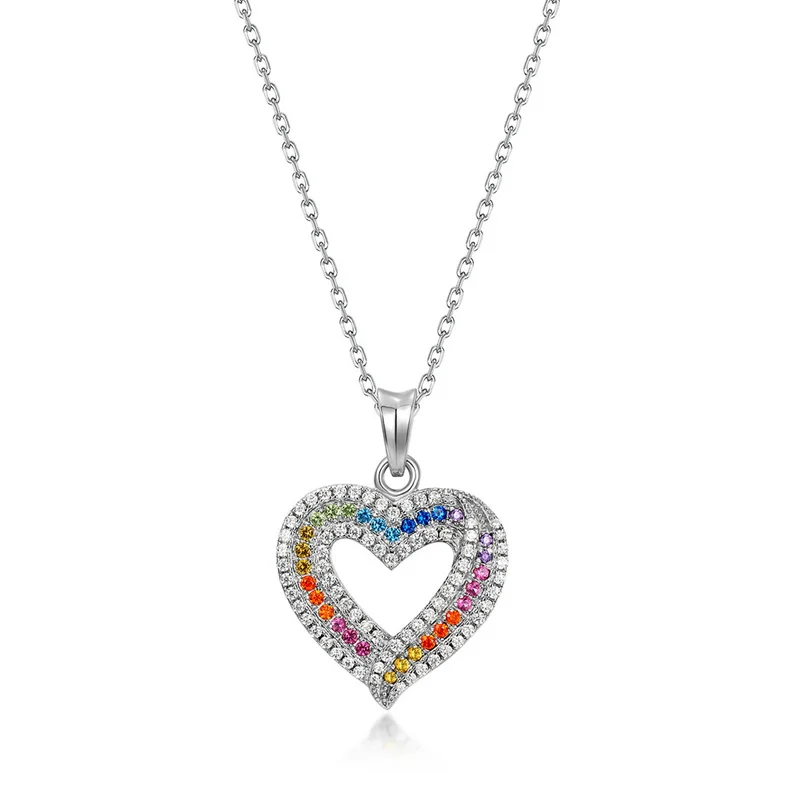
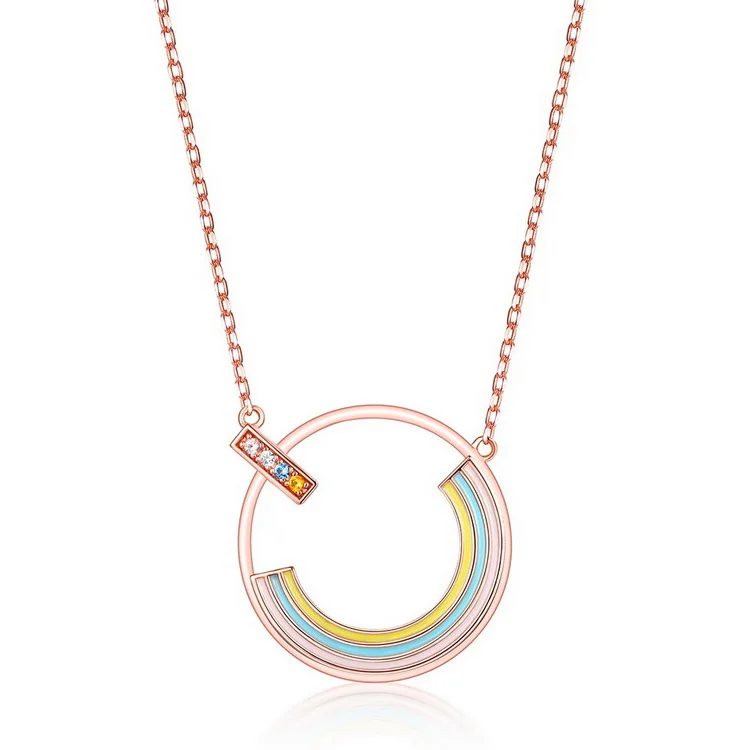
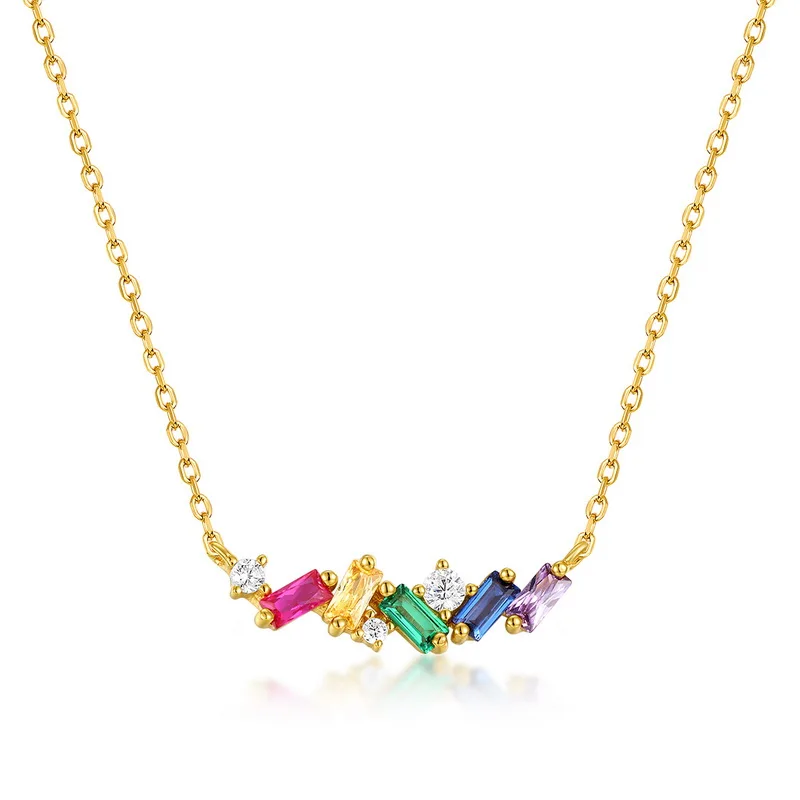
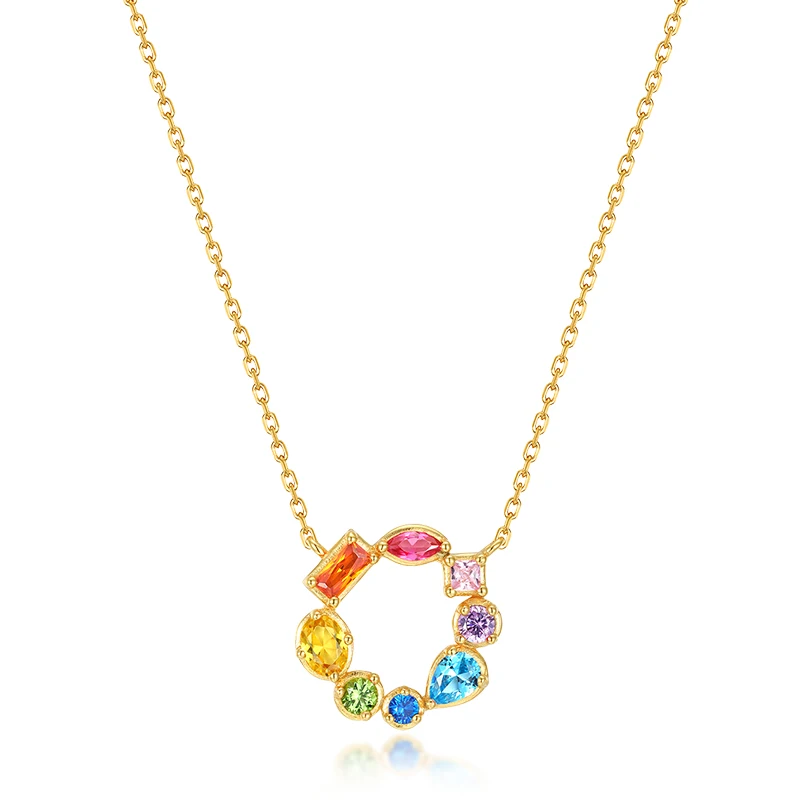
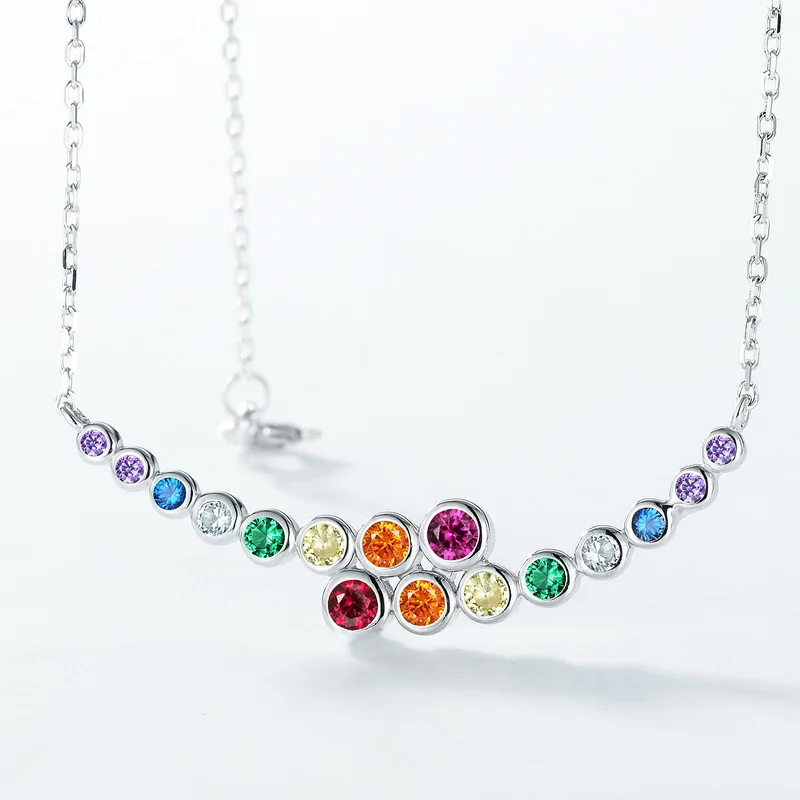
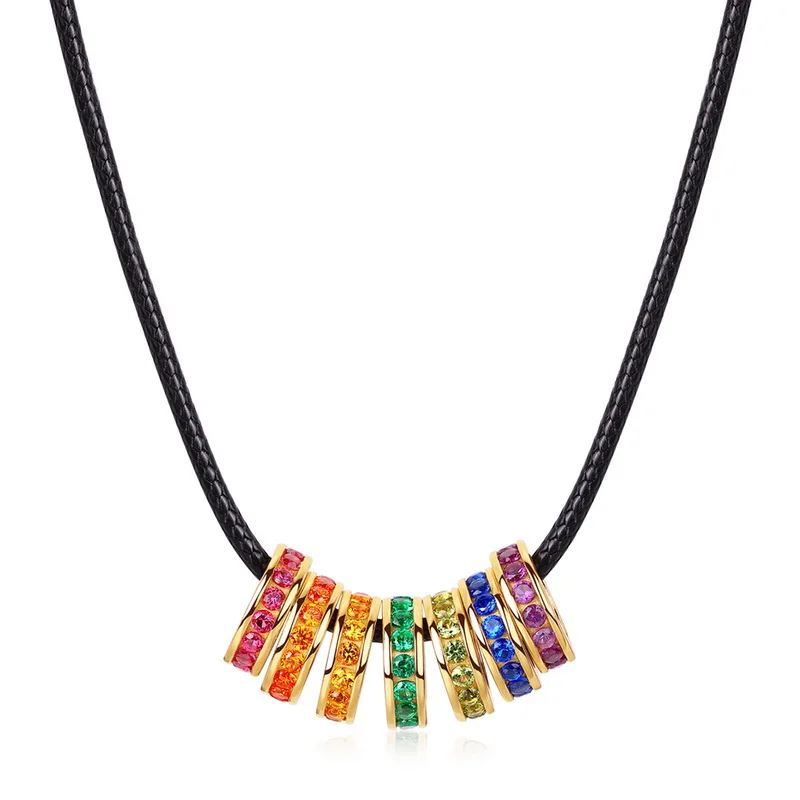
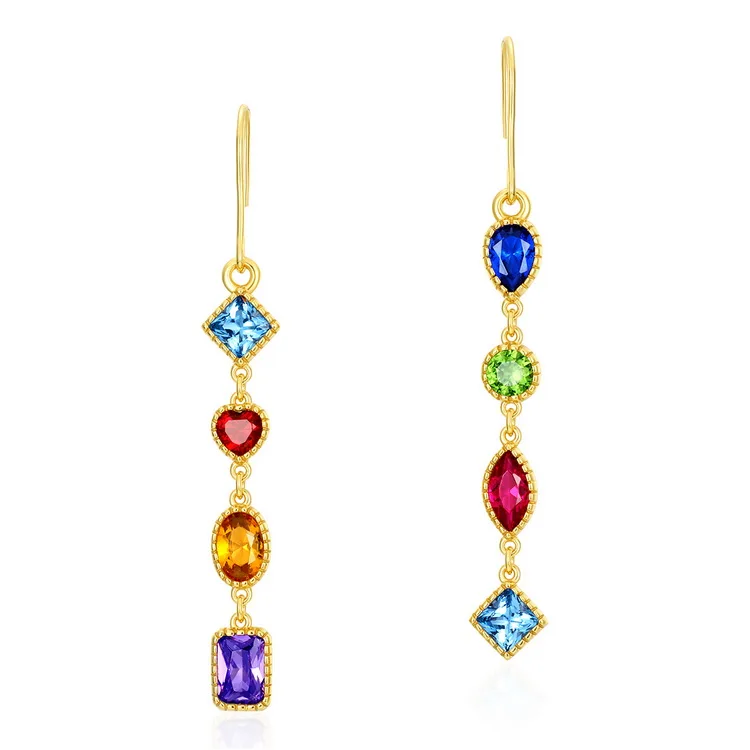
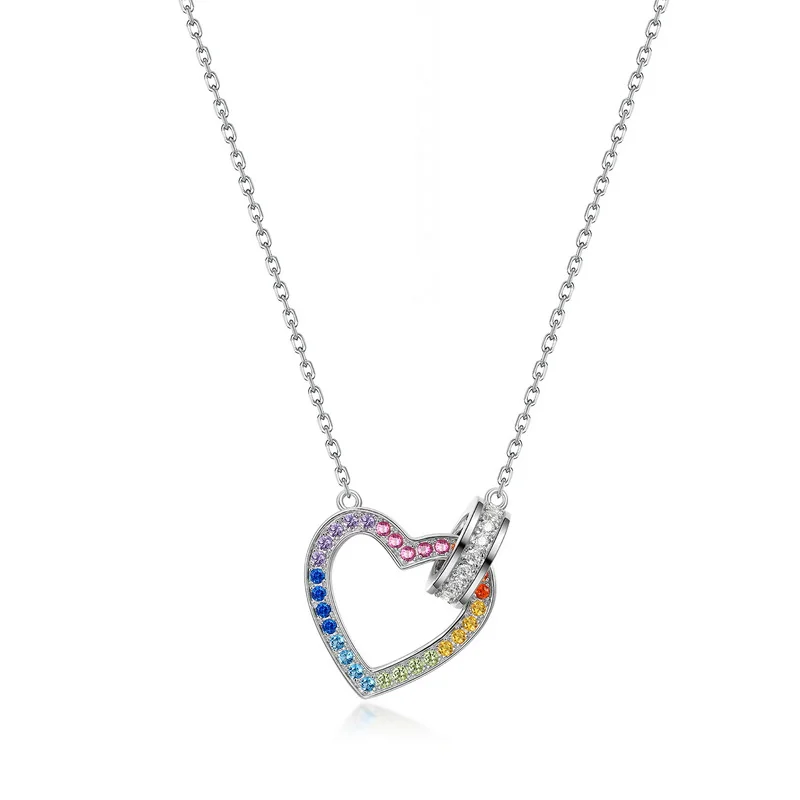
Silver-colored jewelry can be made in several different ways. “Sterling silver” identifies an alloy that is at least 92.5 percent silver. “Silver plated” means a layer of silver covers another material. “Silver tone” describes appearance and, by itself, does not establish silver content. If you are shopping online, read the material description before judging a piece by its color. A clear label tells you more about care, possible wear, and value than a polished photograph ever can.
This guide is for the shopper who sees two similar necklaces or rings with very different prices and wonders what the labels mean. We will decode common terms, show how to compare listings, and explain which questions deserve an answer before checkout. The goal is to choose jewelry you will enjoy wearing, with an accurate understanding of what is under the surface.
Why a silver look is not a material specification
Photography records reflected light, not a chemical composition. Bright white metal can appear similar across sterling silver, silver plating, stainless steel, and other alloys, especially on a small screen. Image editing, studio lights, and the color of nearby fabric can change how warm or cool the surface looks. Even an in-person glance is not enough to identify every metal confidently.
That is why the exact nouns in a listing matter. “Silver” can be part of a material name or simply a color word. A product called “silver color hoop earrings” might not claim silver content at all. Look for a separate materials field that identifies the base metal and any coating. If the title and specification disagree, ask the seller to clarify which description applies to the item shipped.
Also pay attention to every component. A pendant may have a different material from its chain. Earring posts may differ from decorative fronts. A ring can have a plated top and another base underneath. The part touching your skin and the part you see are not always described by the same line of copy. A good product page makes the construction understandable.
What sterling silver means
Sterling silver is a silver alloy containing at least 925 parts silver per thousand, commonly expressed as 92.5 percent. The remaining portion is other metal or metals that help make the material more practical for jewelry than very soft pure silver. A listing may use “925 sterling silver” to identify the alloy. That numerical mark is useful, but it is not a substitute for a trustworthy seller and a complete description.
A hallmark or stamp such as “925” can appear on a clasp, the inside of a ring, or another small area. Its absence from a photograph does not prove the piece is not sterling; the mark might be hidden or too small to show. Its presence in a photograph also does not independently prove that every component has the same composition. Read the seller’s written claim and ask about mixed components if that detail matters.
Sterling silver can tarnish. Tarnish is a surface change that can make silver look darker or duller as it reacts with its environment. It does not mean the entire piece has become a different metal. Storage, moisture, skin products, and wear patterns can affect how quickly the surface changes. Care should follow the piece’s full construction, particularly if it also includes gemstones, pearls, or a coating.
Some shoppers prefer sterling because it has a defined silver content and can often be maintained over time. That preference is reasonable, but “sterling” does not by itself tell you the weight, clasp quality, ring construction, or comfort. A thin chain in sterling may suit a different purpose than a substantial silver-plated statement piece. Compare the whole item, not only the alloy name.
For a ring worn frequently, examine the band thickness and finish as well as the metal claim. A ring can be genuine sterling and still be a poor fit for someone who bumps jewelry during work. For earrings, check the posts and backs. For a necklace, read the chain length and closure description. The material is one part of a usable design.

What silver plated means
Silver plating places a layer of silver over a base material. The base may be another metal, and the thickness of the layer can vary by product. A listing should identify plating clearly rather than presenting the whole piece as solid sterling. If the base metal is important to you, ask what it is. This is particularly relevant for skin preferences, maintenance, and expectations about long-term wear.
Plating is a surface, so friction and use can eventually change its appearance. Areas that rub against skin, clothing, clasps, or neighboring jewelry may wear differently from protected areas. The timeline is not fixed. It depends on coating thickness, construction, frequency of wear, storage, and care. A generic promise that any plated piece will look unchanged for years would need evidence tied to that product.
Do not assume a plated item is automatically disposable or poorly designed. It can be an appealing way to wear a bold silhouette or try a look at a different price. The important point is to know that its surface and base are different materials. Buy it for the role it will play, and care for it according to its actual construction.
A silver-plated ring may receive more abrasion than a pendant because hands meet desks, bags, door handles, and soap throughout the day. That does not make every plated ring unsuitable. It means your routine belongs in the decision. If you want to wear a ring during nearly every activity, compare durability expectations with the seller before choosing a surface finish.
Ask whether the seller offers any care advice specific to the plating. Aggressive polishing can remove or disturb a coating rather than restore it. Some cleaners suitable for uncoated sterling may be inappropriate for coated jewelry or gemstones. When in doubt, avoid chemical experiments and follow the product-specific guidance.
What silver tone means
“Silver tone” or “silver colored” usually communicates a visual finish. It does not guarantee any silver is present. The phrase can still be honest and useful when it is paired with a clear base-metal description. It tells you the piece’s color family while the materials field tells you what it is made from.
When a listing gives only “silver tone,” ask for the metal and surface treatment. Is it stainless steel, an unspecified alloy, or a plated finish? Is there a coating? Are the earring posts the same material as the visible front? You do not need to reject an item because it is silver tone. You need enough information to decide whether it suits your expectations and skin comfort.
Beware of treating a price as proof of composition. An inexpensive piece can be sterling in a light design, while an expensive fashion item can be made from a different metal for reasons of design or branding. Price is a clue to investigate, not a reliable material test. A detailed specification is more useful than a guess based on cost.
Other terms that can change the answer
Fine silver
Fine silver has a higher silver content than sterling, often described as 99.9 percent silver. Its softness makes the design and intended use important. Do not treat a higher purity number as a guarantee of better everyday performance. A delicate or frequently bumped form may need a different construction. Read the actual listing rather than assuming purity is the only measure of quality.
Rhodium plated
Some silver jewelry has a rhodium coating, which can give a bright surface and change how the piece tarnishes or wears. The coating is distinct from the metal underneath. If a listing says “rhodium plated sterling silver,” both parts matter: the base is sterling and the visible surface is a coating. Care instructions may differ from those for uncoated silver.
Gold vermeil
Vermeil is a gold-plated product over a sterling silver base, subject to specific labeling requirements in some markets. It belongs to the gold-colored family visually, but the underlying silver can matter to a shopper comparing materials. Do not use the word as a loose synonym for any gold-tone piece. Read the seller’s exact construction claim.
Stainless steel with a silver look
Stainless steel jewelry can have a naturally gray-white appearance or a particular finish. It is not sterling silver simply because the colors resemble each other. If a steel piece meets your style and care needs, that is a valid choice. Compare it honestly as steel, not as a substitute mislabeled as silver.
How to compare two similar-looking listings
Open the product pages side by side and write down five facts for each: base metal, coating, dimensions, components, and care directions. If one field is missing, mark it “unknown” rather than filling the gap from the picture. The comparison becomes much clearer when a phrase like “premium silver finish” is translated into a question about actual material.
For a necklace, compare the pendant and chain separately. One listing may describe a sterling pendant on a plated chain; another may use the same material for both. Record length, chain width, and clasp style too. A chain that catches in hair or feels too short will affect enjoyment more immediately than a technical term in the title.
For earrings, note the post or hook material and the size or weight if provided. A large statement earring can look effortless in a photo but feel different after a day of wear. If you have known metal sensitivities, a decorative front description is not enough; ask what touches the piercing. Do not assume every “hypoallergenic” claim identifies a specific alloy.
For rings, look at the interior and band profile. A thick-looking top can be attached to a narrow shank. If the surface is plated, high-contact points may wear first. If the ring is sterling, ask whether it has a coating and whether stones or surface details affect cleaning. Compare the shape you will actually wear, not only the product’s front image.
For bracelets, check the closure, length range, and whether links or charms are made from the same material as the main chain. A listing may call the bracelet “silver” in a broad headline while individual charms have different finishes. Mixed construction can be intentional and attractive, but it should be understandable before purchase.
Use the same test for gifts. If the recipient has a preference for sterling, a silver-tone piece is not a close enough replacement merely because it photographs similarly. If they care most about a dramatic design for occasional wear, a clearly described plated or other-metal item may fit better. Respect the recipient’s actual preference rather than assuming a single material hierarchy.
Can a 925 stamp settle the question?
A stamp is a useful clue, especially when it matches a detailed seller description. It is not a complete laboratory test. Marks can be tiny, worn, absent on some designs, or incorrectly applied. A stamped clasp also does not automatically identify a pendant attached to it. If material identity matters significantly, buy from a seller willing to give a clear written claim and consider professional testing for a high-value piece.
Photographs of a stamp are easy to misread. Zoom can make scratches look like numbers, and the side shown may not be the side of the exact item you receive. Ask where the mark appears and whether it applies to the whole piece or a component. This is a reasonable question, not an accusation. A precise answer helps you use the listing correctly.
Home tests have limits. Magnet tests, color rubbing, and chemical drops can be misleading or damage jewelry. A magnet may respond to a clasp spring rather than the main piece. A surface test may tell you little about what lies beneath a coating. Avoid destructive experiments on a new item, particularly if you may need to return it.
For most everyday shopping, the practical route is simpler: read the material field, ask targeted questions, and keep the written answer. If the item is valuable enough that uncertainty remains unacceptable, consult a qualified professional. Your goal is a confident purchase, not a collection of risky kitchen experiments.
Care that follows construction
Store jewelry separately so pieces do not rub against one another. A soft pouch or individual compartment helps prevent scratches and tangles. Keep items dry when stored, and let products such as lotion or fragrance settle before putting jewelry on. These habits are broadly useful, but specific cleaning still depends on all materials in a piece.
For uncoated sterling, tarnish is often a surface issue that can be addressed with appropriate silver-care methods. A soft polishing cloth designed for silver may help with ordinary dullness. Yet a ring with a delicate gem, oxidized detail, or special finish may need different treatment. Read the maker’s care directions before applying a cleanser or polishing a textured surface.
For plated jewelry, protect the coating. Avoid abrasive polishing and repeated rubbing. Remove it for activities that bring friction, household chemicals, or prolonged moisture. If the finish changes, cleaning cannot always replace metal that has worn away. Ask the seller whether refinishing or replating is possible for that particular design if long-term appearance is important to you.
For silver-tone jewelry with an unspecified base, the safest first step is to obtain the actual material description. Otherwise, you cannot know which cleaner is suitable. A soft dry cloth may remove ordinary fingerprints, but chemical care advice should not be guessed from color. If the item includes a stone, adhesive, pearl, or enamel, that component may be the most care-sensitive part.
See JewelyKing’s jewelry care guidance for general handling habits, and follow any item-specific instructions that come with a purchase. A care page is a starting point; the exact mix of metal, coating, and gemstones determines what is appropriate for one piece.
Skin comfort and material claims
People can respond differently to metals and coatings. If a particular alloy has caused irritation before, ask what the item contains and what touches your skin. “Silver tone” is not enough detail for a sensitive buyer. “Sterling silver” identifies a silver proportion, but it does not name every other metal in the alloy or the composition of separate findings.
Pay special attention to earring posts, backs, necklace clasps, and the underside of rings. These parts may have the most contact with skin. A statement necklace can have a decorative front that never touches a sensitive area while its clasp does. A clear component breakdown is more useful than a broad comfort promise that does not explain the materials.
If a seller uses terms such as “nickel free,” ask whether the claim applies to the entire item and whether it is documented. Do not treat color as evidence of nickel content or absence. If you have a medical concern about an allergy, seek advice from a qualified clinician; a jewelry description cannot diagnose the cause of a skin reaction.
Comfort is also physical. Weight, edges, clasp design, and fit can matter even when the metal causes no sensitivity. A necklace that slides, an earring that pulls, or a ring with a rough interior may go unworn. Material accuracy helps you choose, but it should be read alongside dimensions and design.
Which label suits which buying goal?
If you want a defined silver alloy and plan to keep a simple piece for regular wear, sterling silver is worth comparing. Check the construction and any coating, and understand that tarnish may require care. If you want a large fashion shape at a particular price, a clearly described plated item may make sense. Set expectations for a surface that can change with friction.
If you mainly want a cool metallic color and are open to different materials, silver-tone jewelry gives you a broad design range. Your job is to identify the base and finish, especially if care or skin contact matters. A silver-tone listing can be perfectly useful when it is specific about composition rather than relying on color to imply precious metal.
There is no need to rank every piece by material alone. A thoughtfully constructed necklace in one category may suit your wardrobe better than a poorly fitting design in another. Decide how often you will wear it, what you expect its surface to do over time, and what you are willing to maintain. Then compare real listings against those needs.
You can explore JewelyKing’s necklace styles or ring styles as you decide which form you prefer. Always confirm the materials and dimensions on the specific product page. A collection link shows design options; it does not make one material claim for every item.
A short checklist before checkout
Ask yourself whether the listing says exactly what metal makes up the main piece. If it mentions plating, does it identify what is plated and what lies beneath? If it says sterling, is that claim applied to the correct components? If it says silver tone, is the color clearly separated from the material? These four questions reveal most of the ambiguity that a photograph can hide.
Then check how the piece will be worn. Does a chain have the length you need? Are earring posts specified? Will a ring be exposed to frequent knocks? Are the cleaning directions compatible with the stone or finish? If you cannot answer a question that affects your purchase, contact the seller before ordering.
Keep a copy of the final specification and your receipt. If a piece later needs repair or professional cleaning, the information can help someone understand its construction. It also gives you a record of what was promised. A small amount of organization at purchase can prevent confusion when the jewelry is no longer new.
Three realistic shopping examples
A chain you plan to wear every day
Imagine you want a simple chain that can stay in your regular rotation. Two product images look nearly identical. The first lists 925 sterling silver and specifies its clasp, length, and width. The second says “silver finish” and gives no base metal. The first may be easier to assess because it makes a concrete claim. The second might still be attractive, but you need a material answer before you can compare care and price. This is a comparison of information quality, not a judgment about two actual products.
Now picture that the sterling chain is very fine and the other is thicker. Your intended pendant may be heavy. The alloy alone does not tell you which chain is suitable for that load. Ask about construction and compatibility. A precise metal label solves one question while leaving design questions open. A necklace you love should meet both tests.
Statement earrings for an event
You may be choosing earrings for a dinner or celebration rather than everyday wear. A large silver-tone design can be the right visual choice if it is described accurately and feels comfortable. Ask about weight and post material. If you plan to wear it for several hours, comfort may matter more than whether its decorative face contains silver. A clear, non-precious-metal description can still support a confident purchase.
Suppose you already know a certain metal irritates your ears. In that case, the post and backing deserve a specific answer before style wins. A label that applies only to the front is insufficient. Ask whether the contact parts differ from the visible design and keep the answer with your order information.
A ring chosen as a gift
A recipient who specifically asked for sterling silver is communicating a material preference. Do not substitute a silver-colored plated ring without discussing it. They may care about maintenance, composition, or simply the meaning of receiving a defined silver alloy. If you do not know why the preference matters, treat it as a real requirement rather than a visual suggestion.
On the other hand, if the recipient points to a dramatic silver-tone ring because they love its shape, ask about the base and finish so you can describe the gift truthfully. You do not need to turn the occasion into a lecture about metallurgy. A small card with the accurate material and care instructions is considerate and practical.
What to do when a listing stays vague
Send one short message with precise questions. For example: “What is the base metal, and is the silver color a plating? Does this answer apply to the chain and clasp as well?” A seller can respond to that more easily than to “Is it real?” If you are buying earrings, replace “chain and clasp” with “posts and backs.” The aim is a clear written description of the specific piece.
If the answer repeats the original marketing phrase without naming a material, you still have an information gap. Decide whether you can accept it. For a low-stakes fashion piece, some shoppers may. For a gift with a stated material preference or a piece you plan to wear often, an unclear answer is a reason to keep looking. There are enough designs that you need not buy on a guess.
Do not infer dishonesty from every incomplete listing. Small shops may omit a detail accidentally, and complex pieces can use several components. What matters is whether the seller can clarify before you pay. Keep the interaction polite and specific. You are asking for facts that make the item understandable.
If you already bought the piece and are uncertain, check the order confirmation and product page you saved. Contact the seller for the missing specification rather than attempting abrasive or chemical tests. If the item differs from what was described, review the stated return process while the window is still open. This practical sequence protects the jewelry and gives both sides a clear record.
Frequently asked questions about silver jewelry labels
Does 925 mean pure silver?
No. A 925 sterling silver claim means the alloy contains at least 92.5 percent silver. The remainder is other material. The number is useful, but read the complete product description and do not assume a stamp on one component identifies every component.
Is silver plated the same as sterling silver?
No. Sterling describes the composition of the alloy. Silver plated describes a layer of silver over a base material. A piece could have a silver-plated surface on another metal. Ask for the base metal and coating details if the listing is unclear.
Does silver tone contain silver?
The phrase alone does not establish silver content. It describes appearance. Look for a separate material field or ask the seller what metal and finish the item uses.
Why did my sterling silver become darker?
Silver can tarnish at the surface during normal storage and wear. The rate varies with conditions. Use care appropriate to the complete piece, especially if it has a coating, gemstone, or intentionally darkened detail.
Can I clean silver-plated jewelry with a silver polishing cloth?
Do not assume that a method for uncoated sterling suits plating. Abrasion can affect a thin surface. Follow the product-specific care advice and avoid aggressive polishing when the construction is uncertain.
How do I check a mixed-material necklace?
Ask for the material of the pendant, chain, clasp, and any coating separately. A single headline may not describe every part. Save the written answer with the purchase information.
When silver-colored jewelry looks similar online, the label is where the meaningful comparison begins. Sterling silver, silver plating, and silver tone describe different things: alloy, surface, and appearance. Read the full specification, ask about components, and choose the piece whose construction matches how you will wear and care for it. If you are torn between two designs, leave the images for a moment and compare the written facts line by line. A clear answer about material, size, and care can be more helpful than a dozen additional close-ups. You can then return to style knowing what each choice actually offers and what it asks of you over time.
Even if you buy for style first, understanding the construction lets you set fair expectations for wear, cleaning, and future maintenance. That knowledge makes the design easier to enjoy.