
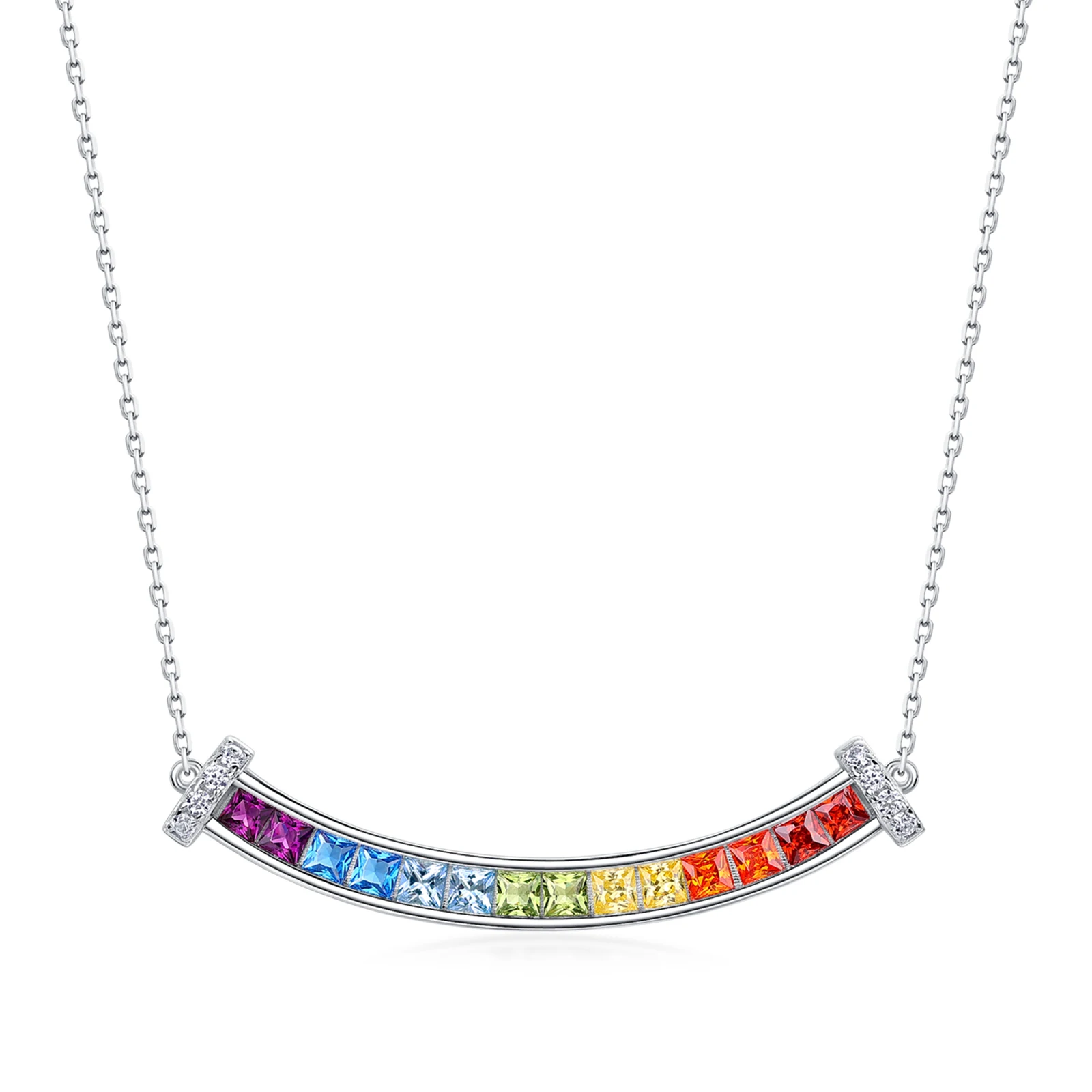
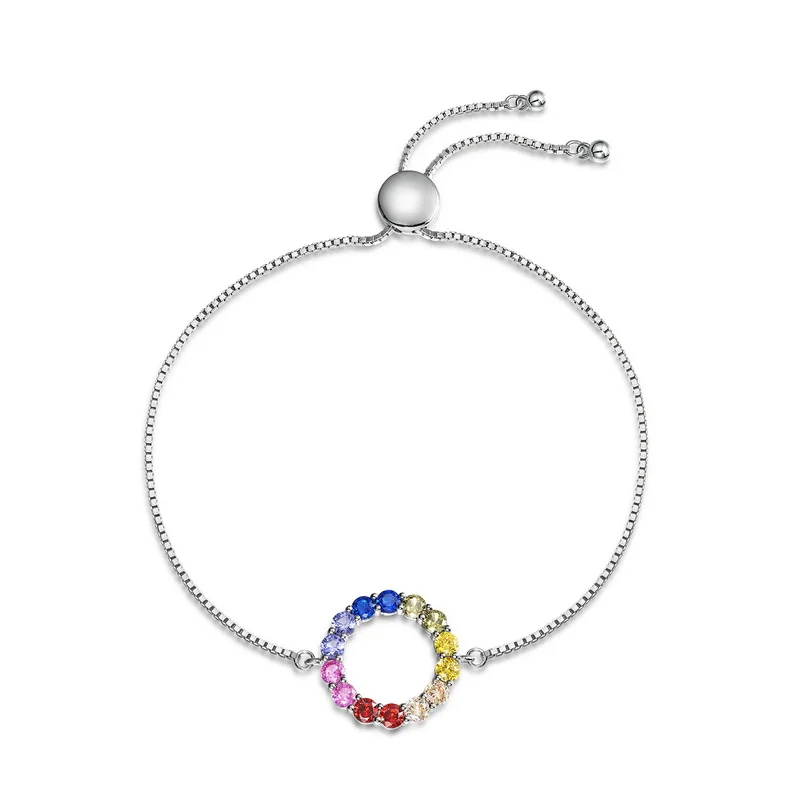
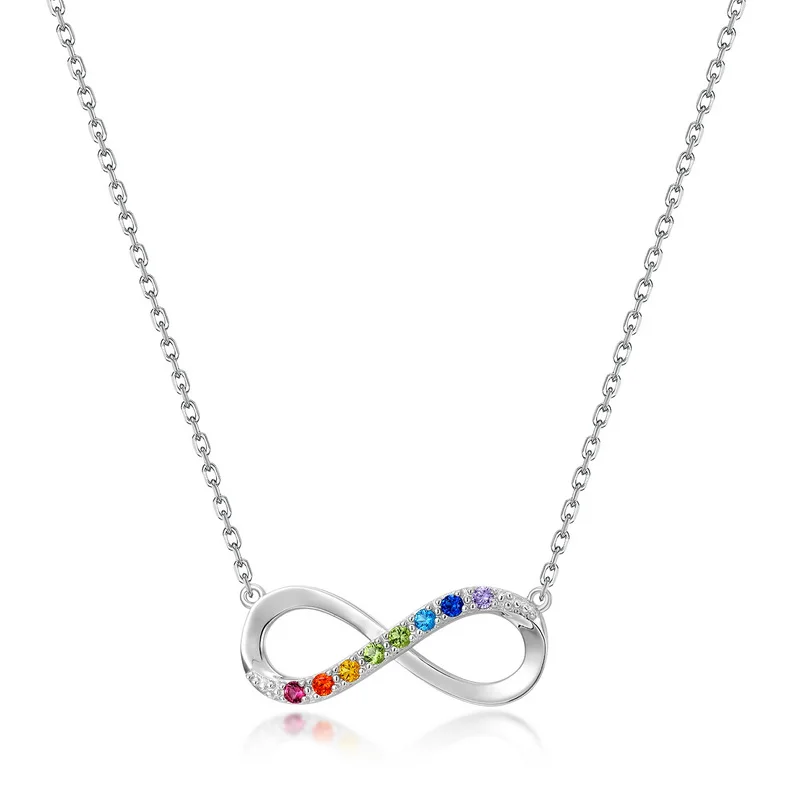
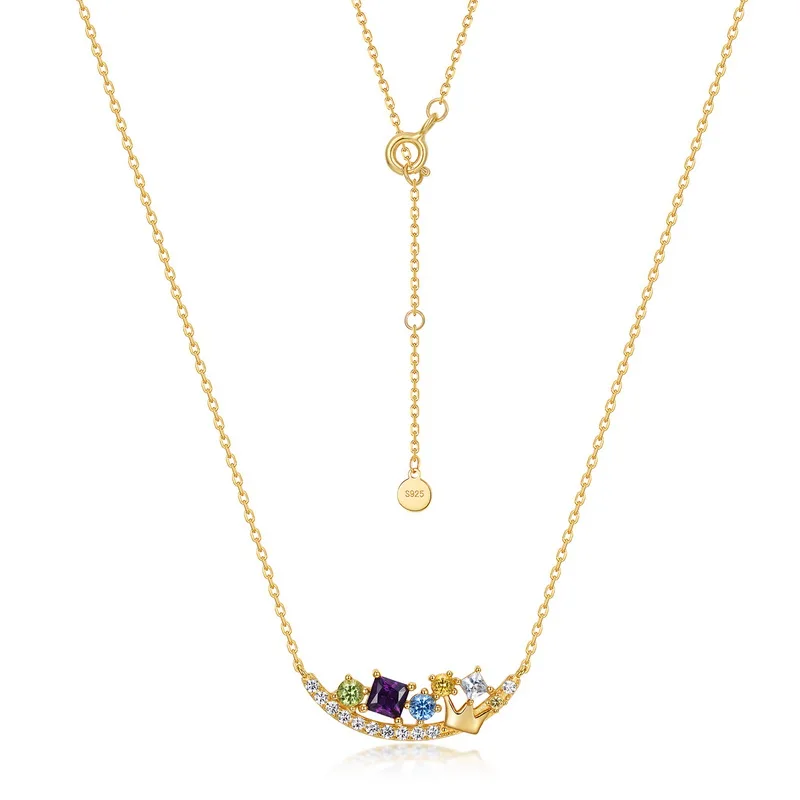
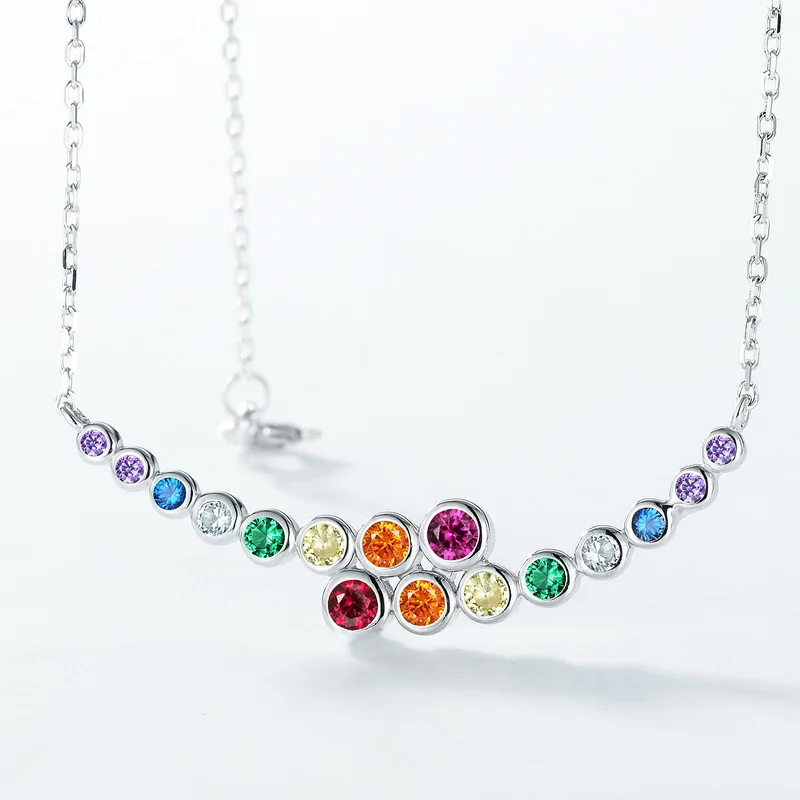
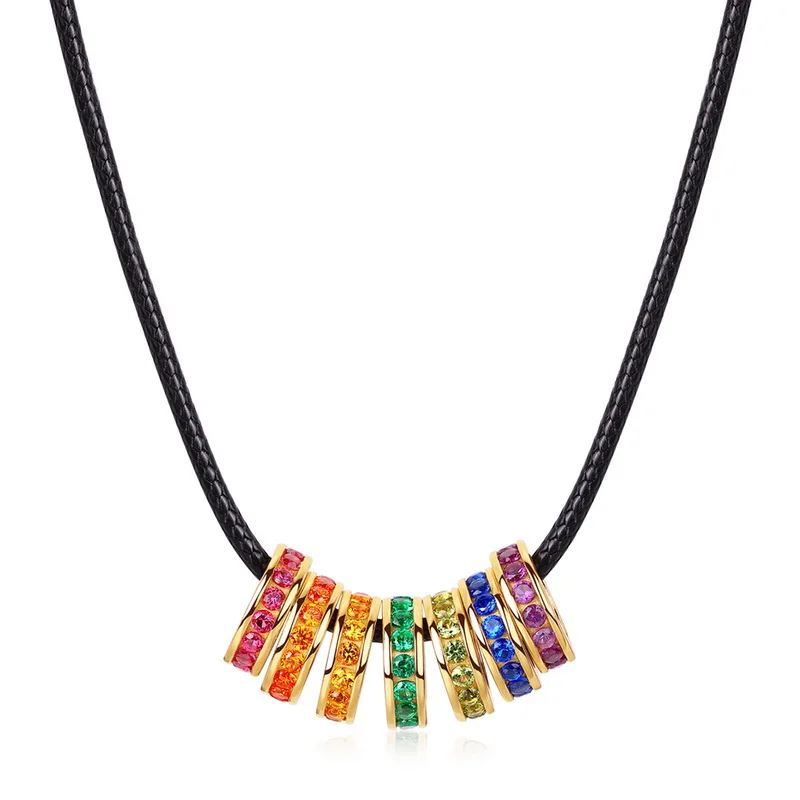
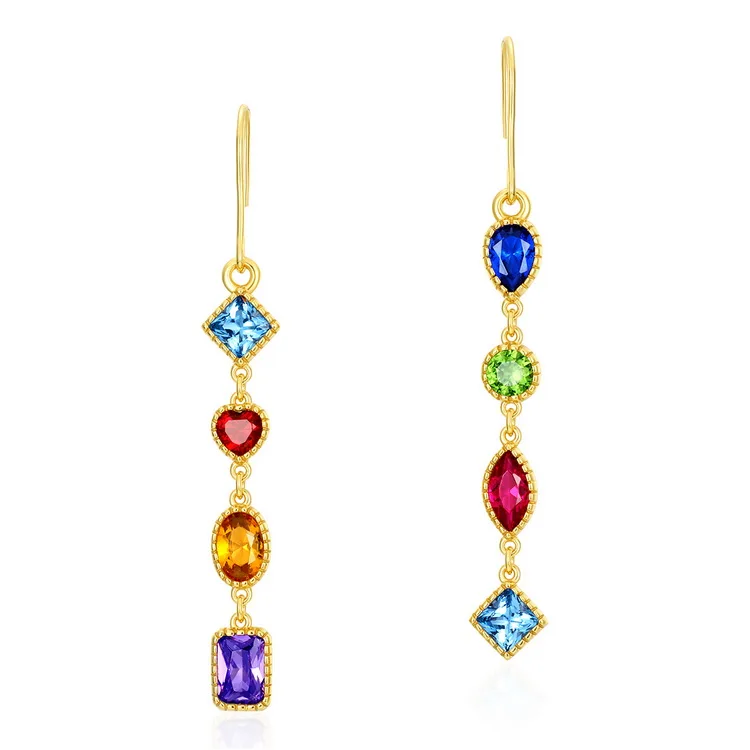
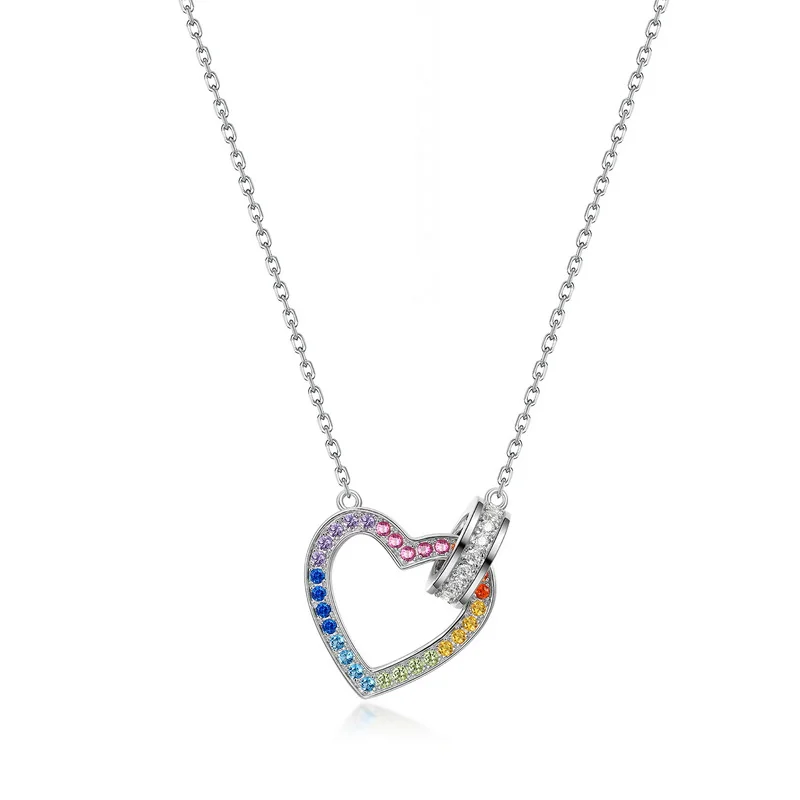
A jewelry discount is useful only if the final item, price, and terms suit you. Start with the actual amount you will pay at checkout. Then verify the metal and gemstone description, the size and construction, delivery timing, and what happens if the piece is not right. A large percentage printed beside a crossed-out price cannot answer those questions. The best sale purchase is a piece you would still want without the countdown.
Seasonal promotions make comparison harder because many rings, necklaces, earrings, and bracelets look similar in small photographs. This guide offers a practical way to evaluate one offer without inventing a market value or assuming every advertised saving is meaningful. Use it for a gift or a self-purchase, and keep your notes with the final order details.
Begin with the price you will actually pay
Write down the product price after any discount is applied. Add shipping, taxes, customization, and any other checkout charges shown for your location. If a coupon requires a minimum order or cannot be combined with another offer, read the conditions. The relevant number is the total you approve before payment, not the largest percentage on a banner.
A simple example makes the point. Suppose a ring is shown at a promotional price, but the size you need carries a fee and faster shipping costs extra. Those costs belong in the decision. Another ring with a smaller advertised discount may have a lower final total or better fit. These are hypothetical comparisons; the actual checkout determines the amount for a real order.
Do not infer value from a crossed-out “original” price alone. A former price is a claim about how the item was offered, not a measure of the product's material or workmanship. If you have been considering an item, your saved earlier price can provide personal context. If you have not, compare the current item and specifications against alternatives you genuinely might buy.
Be careful with percentage math. A 50 percent reduction on a price that does not reflect your willingness to pay is still a purchase you may regret. A modest reduction on a ring you already selected for its fit and material may be useful. Decide what the piece is worth to you before the promotional language decides for you.
Compare like with like
Two jewelry items are rarely identical just because both have a clear stone and a silver-colored setting. One may use sterling silver; another may use plating over a different base. One gem may be laboratory-grown diamond, another a cubic zirconia simulant, and another a different material. All can be attractive, but their descriptions do not support a simple price comparison until you identify what each one contains.
Make a short table for each candidate: metal, coating, stone identity, origin claim, approximate dimensions, setting type, size options, and price at checkout. Put “not stated” where the listing is vague. This makes information gaps visible. A sale price does not compensate for uncertainty about a material that matters to you.
For a ring, compare band width and the stone's face-up dimensions in millimeters. Carat is a weight measure, not a guaranteed visual size. A large product photo can make a small stone look prominent. If you need a ring for daily wear, setting height and comfort may matter more than the apparent size in a close-up.
For necklaces, compare both pendant and chain details. A lovely pendant on a chain that is too short will be difficult to wear with the intended outfit. For earrings, check the post material, weight, and closure. For bracelets, check the length range and clasp. A sale should not make you skip the features that determine whether the piece can be worn.

Read material claims precisely
“Gold tone,” “gold plated,” and “solid gold” are not interchangeable. The first describes color; the second describes a gold coating over another material; the third describes a gold alloy throughout the specified component. Likewise, “silver tone,” “silver plated,” and “sterling silver” make different claims. Read the listing's materials field rather than relying on a visual impression.
Gemstone terms need the same attention. Natural describes formation in the earth. Laboratory-created describes a human-grown counterpart with the relevant gem's properties when correctly named. Simulated or imitation describes a different material chosen to resemble a named gem. A seller may combine different stone types in one design. Ask what the center and accent stones are separately if the description is unclear.
Do not infer that an advertised “diamond look” is diamond, or that a green stone is emerald. Color can suggest style but cannot establish identity. If you are buying a gift, accurate material information also lets the recipient understand and care for what they receive. A good sale listing should answer basic questions even when the shopping window feels short.
A hallmark or number in an image can be a clue but not a complete specification for a multi-part piece. A stamped clasp does not prove the pendant has the same metal composition. Ask for the construction of each relevant part. This is particularly important if the wearer has a metal preference or sensitivity.
Look beyond the front photograph
Find a side view of a ring to see how high the stone sits. Find a back or clasp view of a necklace. Check whether earrings have a secure closure and whether a bracelet's clasp appears usable. A highly polished front image can show style, but it cannot show all the functional details that matter after the box is opened.
Use measurements to restore scale. A ring on a hand, a pendant against a neckline, or earrings on a model can help, but body proportions and camera distance vary. Written millimeter and length measurements let you compare items more fairly. If the product page lacks them, ask the seller before making a time-pressured purchase.
Color may also shift between a screen and the actual piece. Lighting, editing, and your display change what you see. If a gemstone shade is central to your decision, look for more than one image or a video in ordinary light. Review return terms so you know what you can do if the received color differs from expectations.
Check the terms before the timer runs out
Read the current return and exchange policy for the item and your location. Sale items, engraved pieces, and custom sizes may have different conditions from standard stock. Find out the permitted period, the condition required for a return, who pays return shipping, and whether you must contact support first. Do not assume a sitewide headline applies to every product.
Check delivery timing as a full sequence: production or processing, shipping, and any local delays. A date shown in a promotional graphic may not be an arrival guarantee. If the jewelry is a gift for a fixed occasion, leave room for unexpected delays or choose an item with a confirmed timeline. A good price after the birthday is not the gift you intended.
Policies can change. The safest approach is to read what is visible at the time of purchase and save it with your order confirmation. JewelyKing's shipping information and terms are starting points, but verify the current checkout and product-specific details. If two policy pages appear inconsistent, contact the store before relying on either one.
For an expensive or customized order, ask your question in writing and keep the reply. A specific answer about sizing, material, or returns is more useful than an assumption. If the sale ends while you wait, it may still be better to miss the discount than to buy an item you do not understand.
Use a pre-sale shortlist
Before a busy shopping period, save a few items that already meet your needs. Record the product name, actual dimensions, material description, and current price. If you later see a promotion, you can compare the same item against its earlier listing and decide whether the new total is useful. Do not rely on memory or on the crossed-out number alone.
A shortlist should be small. Three meaningful options are easier to compare than thirty tabs opened under pressure. Include one item you would buy without a promotion if your budget allowed. This gives you an anchor for what you actually want. If the sale features only different items you did not want before, you can leave without losing a real opportunity.
For gifts, add the recipient's requirements to the list: ring size, preferred metal, favorite colors, earring type, and any materials they avoid. A discount does not change those needs. A supposedly good deal on a ring in the wrong size is not a better gift than a modestly priced pendant they will wear.
Give yourself permission to wait. Promotions often use urgency, but the material facts do not become less important when a clock appears. A buyer who spends ten minutes reading specifications can make a more useful decision than one who saves a few minutes and has to resolve a mismatch later.
Calculate value for the role the piece will play
An everyday piece may need a secure closure, comfortable weight, and materials you are willing to maintain. An occasional statement item can be chosen for a different balance of scale and price. Decide the role first, then judge whether the promotional item performs it. A lower price cannot make a heavy earring comfortable for an all-day commute.
Think in terms of expected use without inventing a “cost per wear” figure. You cannot know precisely how many times a person will reach for a new necklace. You can, however, compare it with what they already wear. A familiar shape in a new color may be more likely to join their rotation than a striking but unfamiliar silhouette.
Maintenance is part of value. A plated surface may require gentler handling than uncoated metal. A raised ring setting may need more care around clothing and work. A gem may have treatment-related cleaning limits. If you would not enjoy those requirements, the discount does not solve the mismatch. Read product-specific care advice before treating a low price as the whole story.
Service options matter too. Can the ring be resized if necessary? Can the clasp be repaired? These questions depend on construction and the seller's terms. Do not assume a jeweler can alter every design. For a piece intended to last, ask about the practical future of the item rather than only its first-day appearance.
Three shopping scenarios
A gift ring with an uncertain size
Imagine a ring that seems perfect and is heavily discounted, but you do not know the recipient's size. A surprise may still be possible if the design is returnable or exchangeable and the recipient is comfortable with that process. Check the size chart, whether the band can be adjusted, and the sale conditions. If those answers are unclear, consider another jewelry form.
A ring with stones around the full band can be more complicated to alter than a plain band. This is a construction question, not a universal guarantee. The discount should not push you into guessing. A necklace or earrings chosen with the recipient's real preferences may be a better gift than a ring that cannot be worn.
Two similar-looking pendants
Suppose one pendant is advertised at a larger discount than another. Before deciding, compare the chain material, length, pendant size, gemstone identity, and total cost. One may have a plated chain while the other has sterling components; one may be smaller than the photograph suggests. The comparison becomes meaningful only after you know what each listing promises.
If the recipient wears high-neck tops, the shorter chain may hide under fabric. If the pendant is for daily wear, a manageable clasp and comfortable weight matter. These are reasons to choose based on actual use, even if the lower percentage discount looks less exciting in a banner.
A pair of earrings for a deadline
For a holiday or birthday, delivery date can outweigh a small price difference. Check production time and shipping separately, then allow for uncertainty. If the pair is customized, read whether it has a longer lead time or different return rules. A sale price is valuable only if the gift can arrive and be worn when you need it.
Also verify post material and weight. The recipient may love the style but avoid heavy drops or certain metals. A clear product description can prevent a gift from becoming a drawer item. If the description is vague, ask before you commit to an urgent order.
What to do when a listing is unclear
Ask a narrow question that the seller can answer directly. “What is the base metal under the plating?” or “Is the quoted stone weight for the center stone only?” is more useful than “Is this good quality?” For a return question, include the exact item or customization you plan to order. Save the written response.
If the answer remains vague, treat that as a real limitation of the offer. You may still buy a low-stakes fashion piece with incomplete information, but you should not silently assume the missing detail matches your preference. For a high-cost ring or a gift with strict requirements, keep looking until the material and terms are clear.
A seller who explains a limitation honestly may be easier to buy from than one whose copy makes sweeping claims. For example, a clear statement that a finish requires gentle care gives you useful information. An unqualified promise that a piece will never change needs evidence. Choose clarity over slogans.
Do not perform damaging home tests on a new item to settle a material question. Scratching, harsh chemicals, or heat can harm jewelry and complicate a return. Use the seller's written claims and, when justified by the purchase, professional assessment. A good online decision begins before the box arrives.
A five-minute checkout review
Pause at the final checkout page. Confirm the chosen variant, size, color, quantity, and shipping address. Read the actual total and ensure any coupon has applied as expected. Compare the total with your budget, not with a hypothetical “regular” price. If the amount is higher than you expected, identify why before paying.
Open the product details once more. Confirm metal, gemstone, dimensions, and any customization text. A small option menu can switch material or size without being obvious in the hero image. Check the return terms for that exact option. If an unanswered question matters, save the cart and contact support.
After purchase, keep the order confirmation and a copy of the listing or specifications. If a delivery or description issue arises, these records make the conversation concrete. When the item arrives, inspect it in ordinary light and check the setting and closure before wearing it. Follow the store's stated process promptly if something differs materially from the order.
Separate the promotion from the product choice
Try a two-pass decision. On the first pass, hide the price and ask whether the ring or necklace meets your material, size, and style needs. On the second, look at the final checkout amount and decide whether it fits your budget. This order prevents a large percentage from making an unsuitable piece feel attractive. It also helps you recognize a genuinely useful offer on a piece you already wanted.
For a gift, add a third pass: would the recipient choose this? A discount can make a bold item seem worth the risk, but the recipient may wear small jewelry every day. Look at their existing pieces and clothing. If the offered item requires them to change their style, reconsider whether the lower price is serving the gift or merely the thrill of a bargain.
For yourself, imagine the piece at its final price without the crossed-out number. Would you still be comfortable spending that amount? This is a simple way to test whether the savings claim is doing too much of the persuasion. The comparison is personal and does not require you to know the seller's historical pricing to decide whether the current total is acceptable.
Understand discount language at the cart
Some promotions apply only to selected items, certain variants, or orders above a threshold. A code shown on a homepage may not combine with an item-level reduction. A sale label may refer to a price already displayed rather than an additional deduction. Read the terms and watch the total at checkout. If the expected change does not appear, do not assume it will be corrected after payment.
If a “buy more, save more” offer encourages an extra piece, calculate the total for both carts. The added item has a cost even if it unlocks a lower percentage on the first. Ask whether you truly want the second item. A bundle can be useful when both pieces meet real needs, but an unwanted filler does not become valuable because it was part of a promotion.
Be mindful of currency and location. An item may be priced in a currency different from your payment account, and conversion can affect the final charge. Shipping and tax treatment can also change by destination. The accurate figure is the amount confirmed for your address and payment method, with any bank conversion considered separately if relevant.
Do not paste payment details into a message or send them to an unverified contact because a timer makes you hurry. Use the site's normal checkout and confirm the page and total before paying. A jewelry sale should still follow the same ordinary shopping discipline you would use on a quiet day.
Keep a small evidence file for an important order
For a costly ring or a piece ordered for a fixed date, save a screenshot or PDF of the product details and checkout terms. Include the selected size, metal option, stone description, final price, processing estimate, and return conditions. You do not need a complex spreadsheet. One folder with the relevant facts can make a later conversation much easier.
If the seller answers a question by email, keep that message with the order. A short written clarification about whether a stone is lab-created or whether an engraved ring can be returned can prevent a misunderstanding. The record is not a sign that you expect trouble; it is a practical way to remember what you based the decision on.
After delivery, compare the item with the saved description while the return period is active. Check for the expected variant and measurements, and inspect the clasp or setting gently. Photograph a material difference or visible damage before wearing the piece, then contact the seller through the stated channel. Do not attempt a repair first if you may need a return.
Keep care information with the jewelry. The best discount loses value if an unsuitable cleaner damages a coating or gem. General jewelry care guidance helps with routine handling, while the item-specific material details should guide any cleaning method. When in doubt, ask a qualified jeweler.
Know when to walk away
Walk away when the listing cannot tell you what the item is made of and that fact matters to you. Walk away when the gift deadline depends on an unconfirmed arrival date. Walk away when the ring size is a guess and the return terms are unclear. None of these choices means you failed to take advantage of an offer. They mean you protected the purpose of the purchase.
You can also walk away simply because the piece is not your style. A sale is not a requirement to buy. If you are collecting ideas, save a few favorites and revisit them the next day. The one that still appeals without urgency is a stronger candidate than the one that looked irresistible only while the countdown was visible.
If you already own something similar, ask what the new piece adds. A slightly different silver-colored pendant may not change your wardrobe. A more comfortable clasp or a new silhouette might. The value of another item depends on how it will be used, not on the number of promotional badges beside it.
Frequently asked questions
Is the largest percentage discount the best jewelry deal?
No. Compare the checkout total, materials, dimensions, fit, delivery, and return conditions. A smaller discount on an item you actually want may be more useful than a larger percentage on a piece that does not meet your needs.
How can I compare two rings on sale?
Write their metal, coating, gemstone identity, stone and band dimensions, setting style, available sizes, and final prices side by side. Mark missing information as unknown and ask before ordering if it affects the decision.
Should I trust a crossed-out former price?
Treat it as a price claim rather than proof of value. If you saved an earlier listing for the same item, compare it. More importantly, judge the current offer against the piece's specifications and your budget.
Can sale items be returned?
Policies vary by seller, product, and customization. Read the terms shown for the exact item and location before checkout. Do not assume a general headline covers an engraved or made-to-order piece.
What if a promotion ends before I get an answer?
Let it end if the unanswered question affects material, fit, or terms you need. A discount cannot compensate for buying something you cannot evaluate. Save the item and compare other clear options.
What should I save after buying?
Keep the final price, order confirmation, product description, customization choices, and relevant policy terms. Those records help with delivery, care, or a return conversation later.
A good jewelry sale gives you a clear item at a price and set of terms you understand. Start with the person or purpose, compare real specifications, and check the final cost. If a piece still feels right after the banner and timer are out of view, the promotion may be a useful opportunity rather than the reason for buying.
One last way to test an offer is to write a short “if the sale vanished” sentence. If the sentence is “I would still want this necklace because its length and material suit me,” the promotion is supporting an existing decision. If the sentence is “I would not have looked at it without the discount,” pause and inspect what changed. You may have discovered a useful new style, but you may also be reacting to urgency rather than the item.
Compare the offer with a no-purchase option as well. Keeping your budget available for a later design can be a rational choice. Jewelry is personal, and a piece that meets most requirements is not necessarily worth buying simply because it is available today. A shopper who knows their preferences can let a poor fit pass without regret.
If you are choosing for a recipient, ask whether you could explain the choice in one honest sentence. “I chose these small hoops because you wear a pair like them every week” is useful. “I bought them because they were 60 percent off” explains the transaction, not the gift. Let the sale improve the price of a thoughtful choice rather than determine the choice itself.
Finally, avoid treating a promotion as permission to ignore care. Keep the material description with the receipt, store the piece appropriately, and inspect settings and clasps before use. A well-chosen item at a fair final price can bring years of enjoyment, but only if it suits the wearer and receives care suited to its construction. The discount is a moment; the jewelry is what remains.
A final pause can be useful even after every box is checked. Close the page and return in a few minutes. If the design, material, and total price still make sense, proceed with confidence. If the appeal fades as soon as the timer is out of sight, your budget can wait for a better match.