
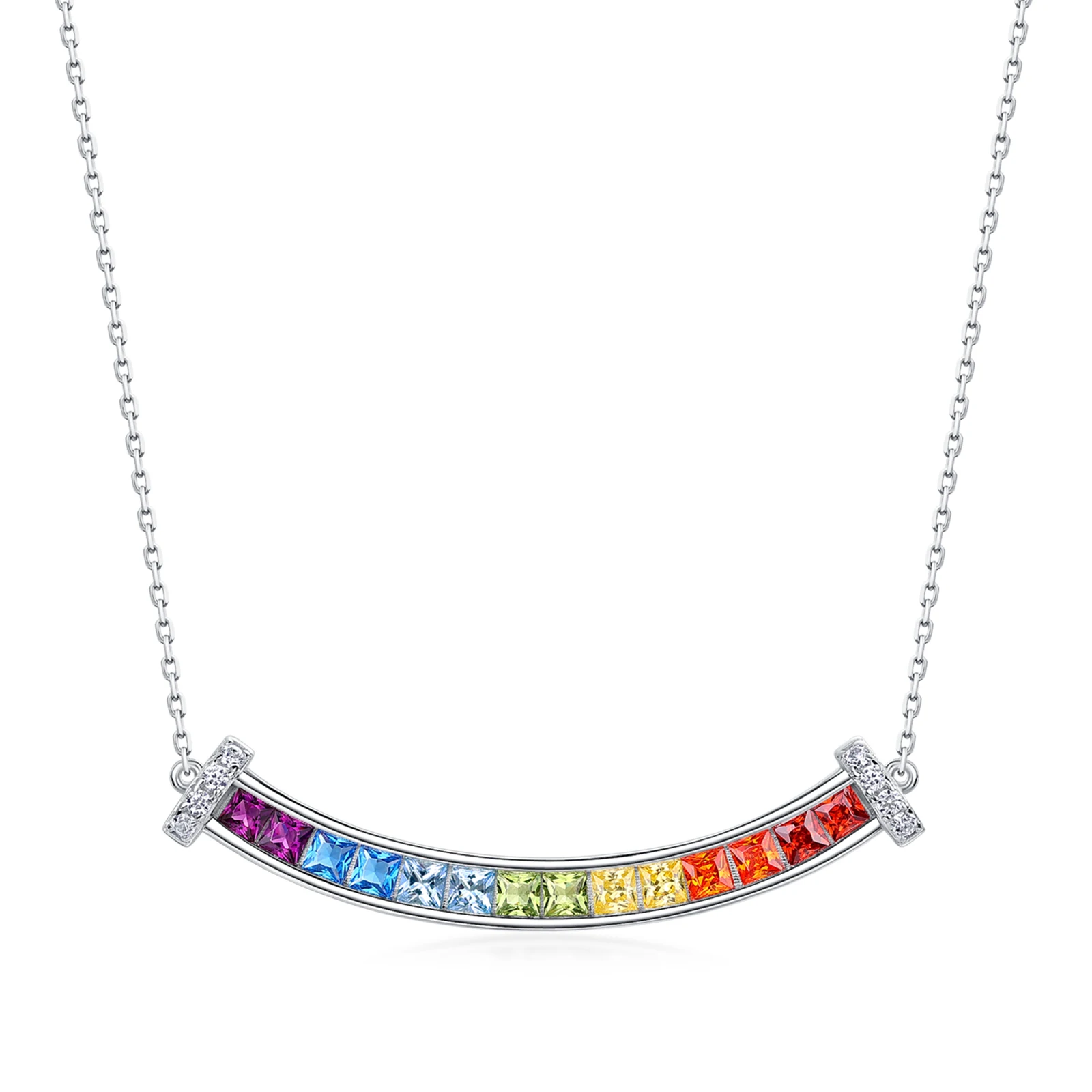
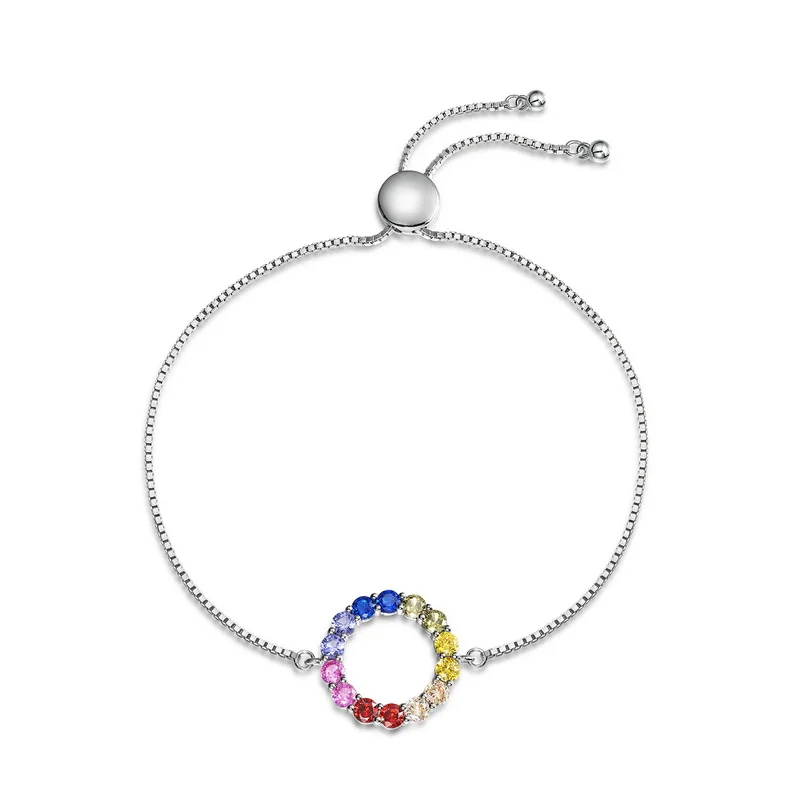
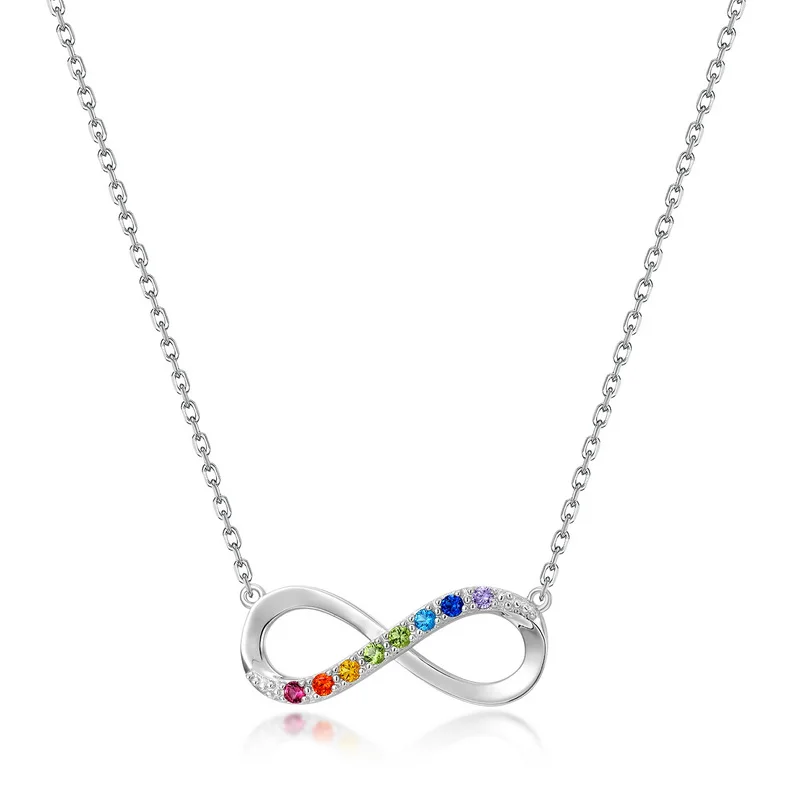
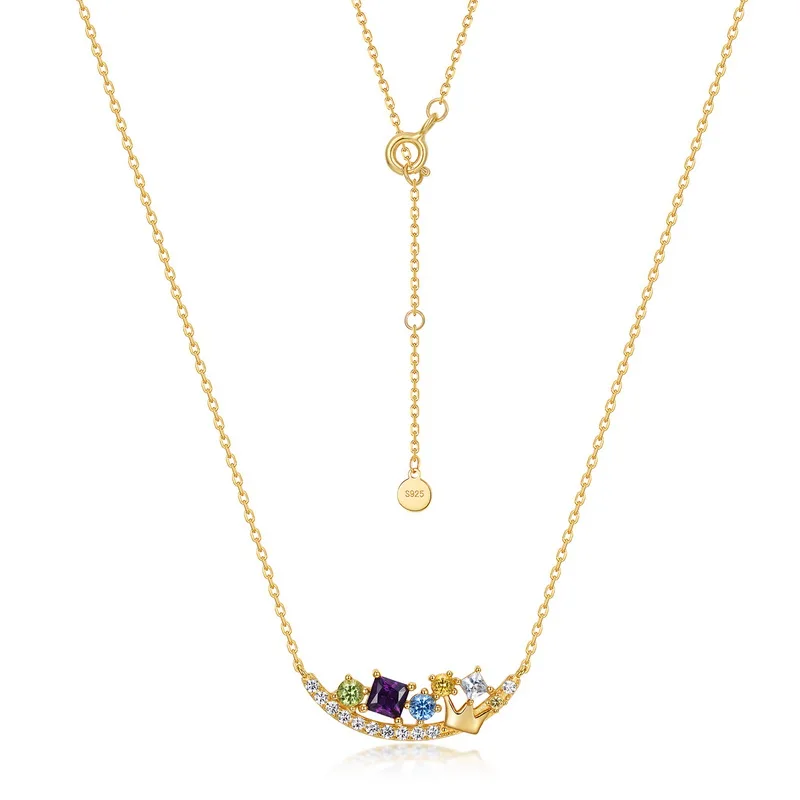
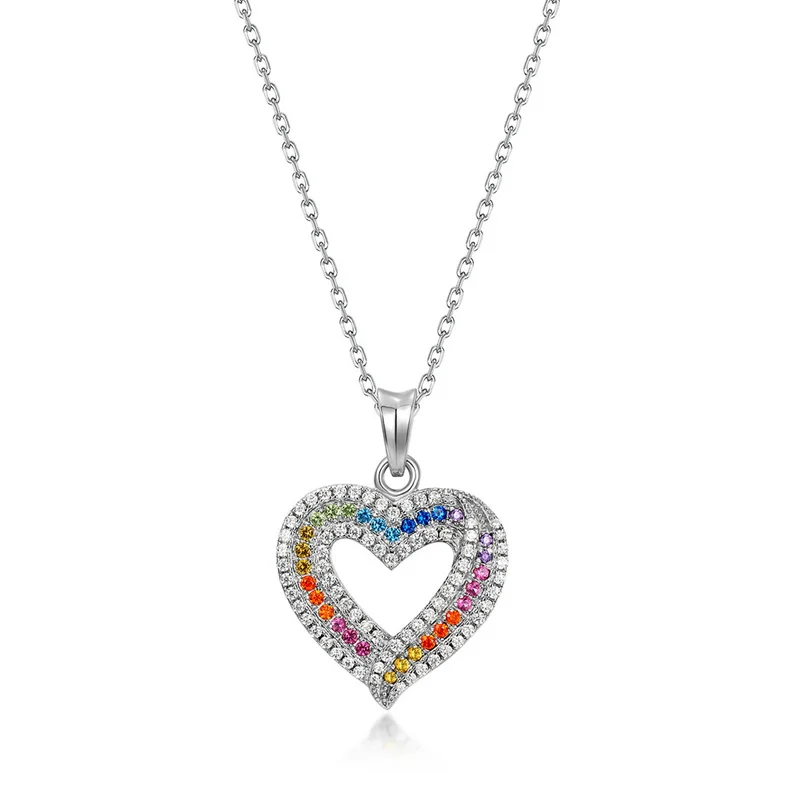
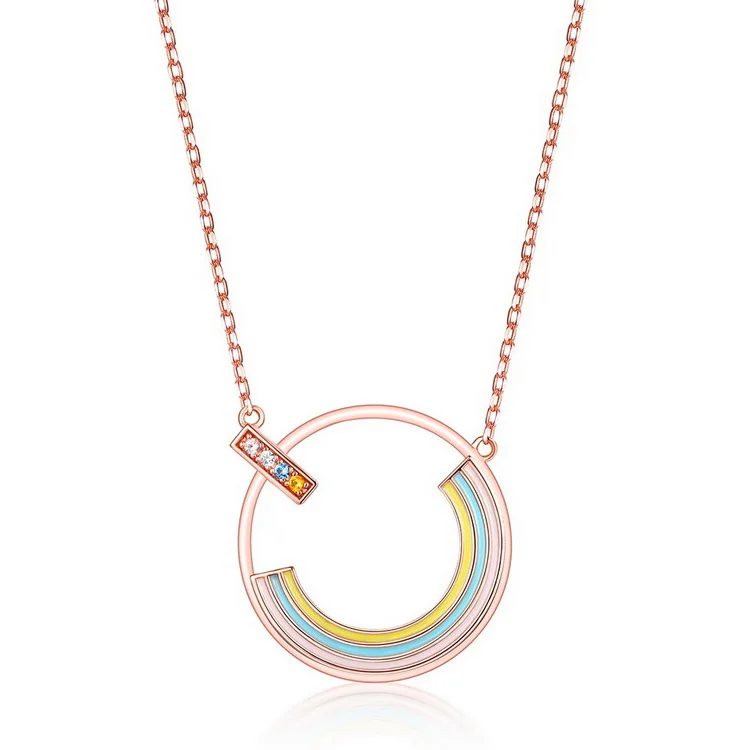
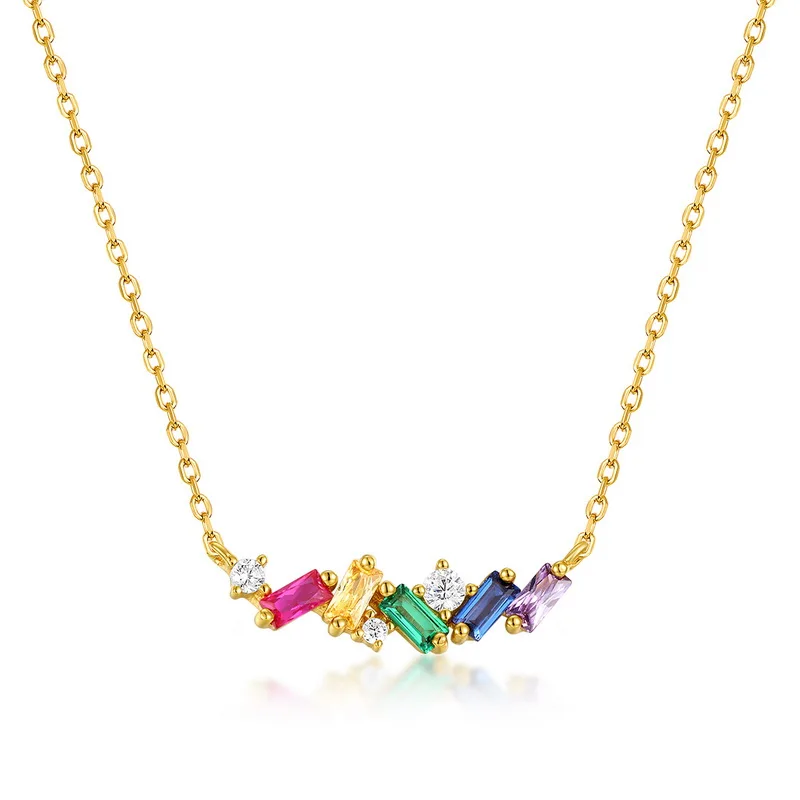
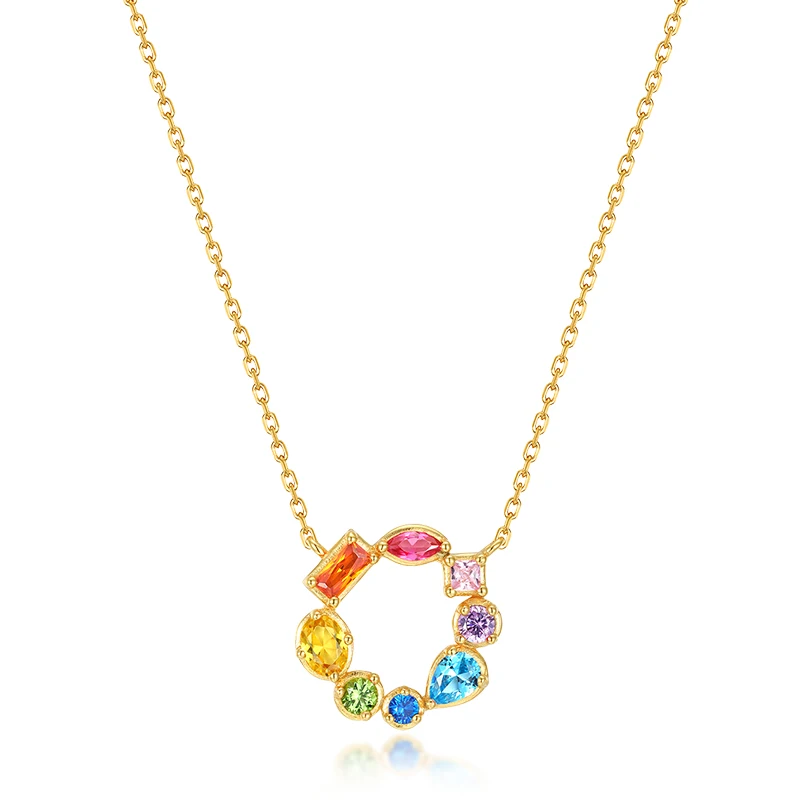
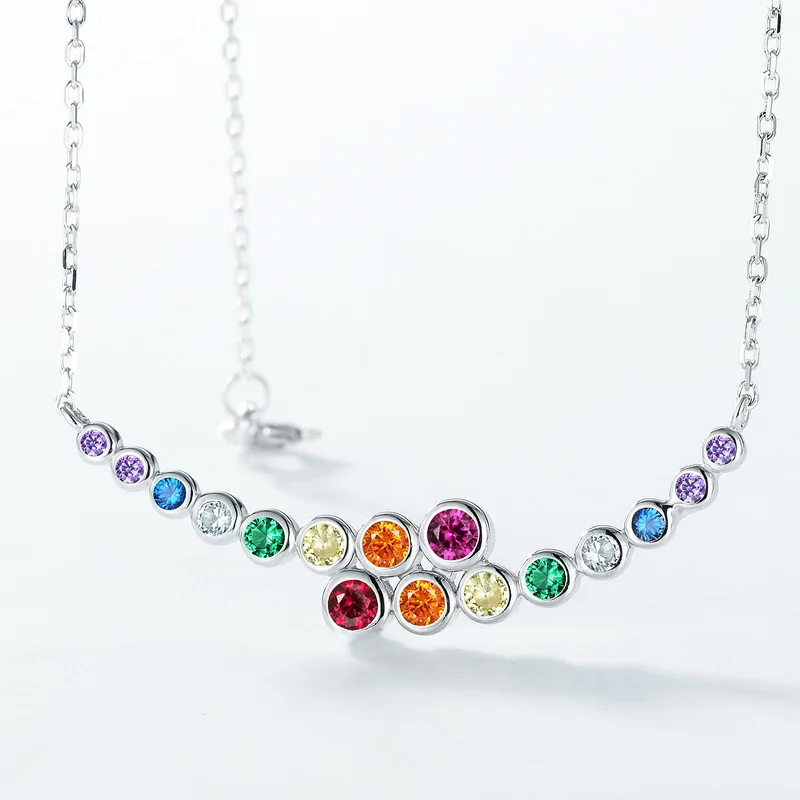
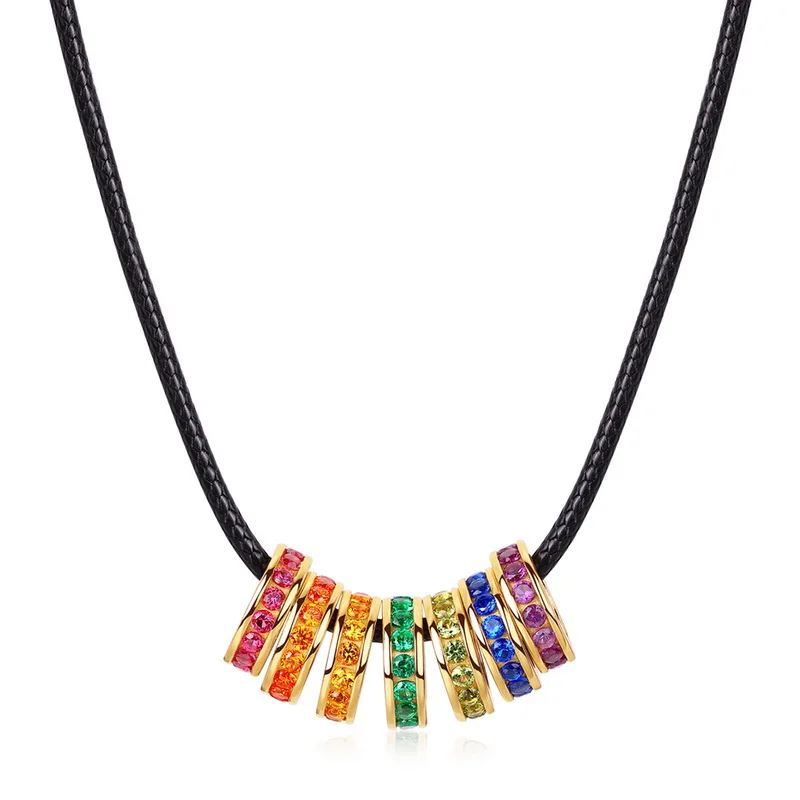
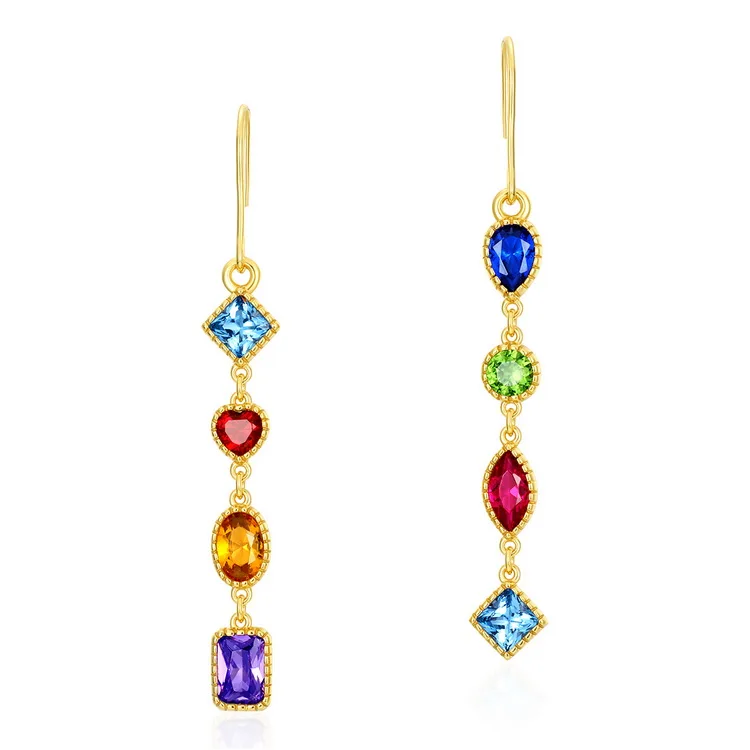
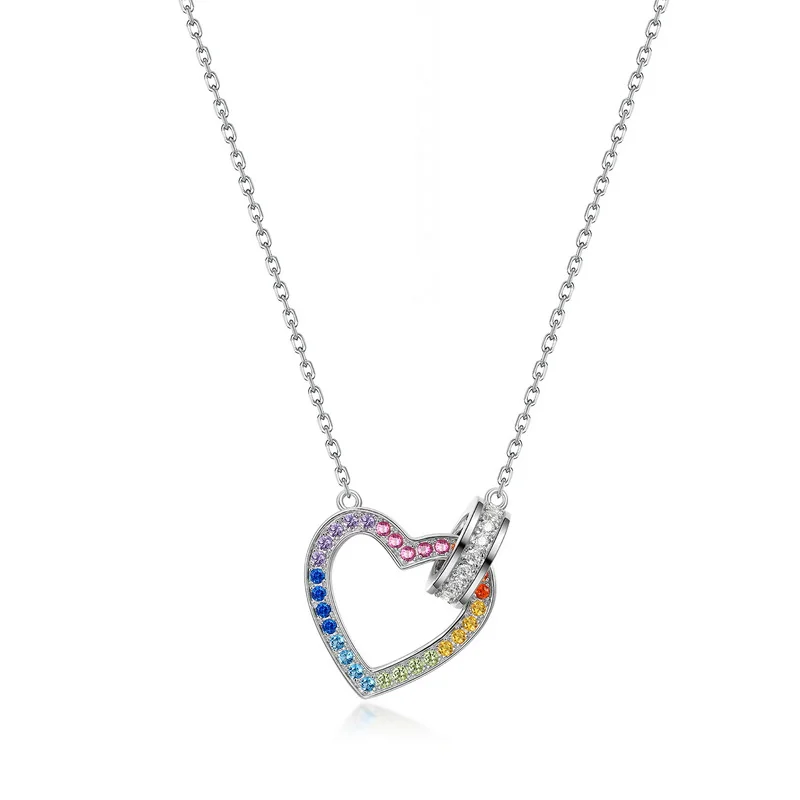
A small leaf pendant can feel quiet and familiar. A butterfly ring may be playful, while flower earrings can add softness to a plain shirt. Nature-inspired jewelry gives recognizable shapes to pieces we wear close to the body. That can make the choice feel personal, but the meaning does not have to come from a fixed symbol chart. It can simply come from what you notice and enjoy.
When choosing a motif, start with how the piece looks and feels in your life. A detailed branch design may be beautiful in a close-up photograph but hard to see at ordinary distance. A bold flower may look dramatic on a product page yet feel perfect beside the simple clothes you wear most. Scale, texture, material, and placement matter as much as the subject.
This guide explores how to choose a nature-inspired piece without making every leaf or butterfly carry a story it does not need. It also covers practical questions about comfort, care, and giving a motif as a gift. Use the ideas with any style you enjoy, from a tiny silver outline to a more sculptural design.
Begin with a shape you actually like seeing
Think of nature motifs as design shapes first. A leaf has a taper and often a central line. A flower can be round, open, layered, or almost geometric. A butterfly has a balanced pair of wings. These outlines interact differently with a chain, earlobe, or finger. Look at the silhouette from a normal viewing distance rather than judging only the fine details.
If you keep returning to a certain shape, that is enough reason to consider it. You do not need an official meaning for it. Perhaps a leaf reminds you of a favorite place, or perhaps you just like its clean curve. A piece chosen for simple visual pleasure can become meaningful through wear.
For a gift, be careful with assumptions. One person may love butterflies because of a memory; another may find them too decorative for everyday clothing. Notice what the recipient already wears. A small motif in a familiar metal tone may feel more natural than a large symbolic design chosen only for its supposed message.

Let the motif fit the piece of jewelry
A pendant gives a motif room to be seen. It can hang freely and turn slightly as you move, so check both the front and back if the design is open. A flat leaf might rest neatly against clothing, while a raised flower may catch light from more directions. Chain length determines whether the shape sits on skin, over a shirt, or under a collar.
Earrings bring the design near the face. Small flower studs can be understated, while branching drops add movement. Consider hair and scarves, especially with longer pieces. A detailed earring may disappear beneath loose hair, then become the focal point when it is pulled back. The weight and fastening are as important as the outline if you plan to wear them for hours.
A ring is seen from your own point of view throughout the day. A butterfly or flower that extends across the finger can look charming but may meet pockets and gloves. Check the height and edges of the setting. For a bracelet, ask whether the motif stays facing up or rotates around the wrist. A pretty front is only part of the experience.
Choose a level of detail that works at your distance
Close-up photography can reveal tiny veins in a leaf or separate petals in a flower. In normal conversation, those details may blend into an overall shape. Decide whether you want a clear silhouette or a design that rewards a closer look. Neither is better; they serve different moods.
Openwork means a design has spaces cut through it. It can make a larger motif feel lighter and less solid. It may also leave more edges that could catch on delicate fabric. A smooth, filled shape has a simpler outline and may be easier to wear with textured knitwear. Compare side views and imagine the piece against clothes you own.
Surface finish changes the impression too. Polished metal reflects light and can make a small motif visible. A brushed or textured finish appears softer. Stones add points of brightness, but their size and setting can change the balance of the shape. If the motif is the reason you like the piece, make sure you can still recognize it without relying on a magnified product photo.
Use nature as a palette, not a rulebook
Nature-inspired jewelry does not have to be green or brown. A leaf rendered entirely in silver can feel crisp and modern. A flower with clear stones can work with formal clothes. A butterfly with colored details may be cheerful beside a plain T-shirt. The motif and the color are separate choices.
If you like a quieter wardrobe, a single motif can add interest without changing your palette. Try a small pendant with a white shirt or a subtle ring with a dark knit. If you enjoy color, a gemstone accent can echo a scarf or contrast with a neutral outfit. There is no need to match every detail exactly.
Look at the metal tone beside the clothing you actually wear. Warm gold tones can soften an ivory top; silver tones may look crisp against charcoal. These are visual possibilities, not rules about skin tone. The design should feel like it belongs to you when you wear it, not just when it rests in a styled photograph.
One motif or several?
A single nature-inspired piece can be a clear focal point. A leaf necklace with plain earrings lets the pendant carry the story. Flower earrings with a simple band do the same near the face. This is an easy approach if you want the motif to be noticeable without creating a themed set.
You can also combine motifs, especially if the pieces have similar scale or metal tone. A tiny flower and a delicate leaf can feel connected without matching exactly. Try the full outfit before deciding. If every accessory has a large detailed shape, the result may feel busy; that may be joyful for you, or you may prefer to remove one piece.
A matched set can be convenient for a special occasion, yet you should feel free to separate the pieces afterward. A pendant that works with a dress may also suit a sweater when worn alone. Thinking about independent use can make a set more flexible without changing the design.
Consider how the piece will move
Motifs with points, petals, wings, or branches can interact with clothing differently from a smooth circle. Run a soft fabric carefully near the edges if you can try the item in person. Look for secure settings and smooth finishes. A piece that repeatedly catches on hair or knitwear may be frustrating even if it looks beautiful.
Movement can be part of the appeal. A leaf drop may sway gently; a fixed stud stays near the ear. A charm bracelet can move and make a soft sound, while a cuff remains more stable. Choose what feels comfortable for the activities you actually do. Work, travel, and social occasions can each call for a different level of movement.
If an item is intended for daily wear, check its dimensions and weight. A model image helps but does not replace millimeter measurements. Compare the stated size with a piece you already own. This is particularly useful for earrings, where a small change in length or weight can alter comfort.
Read the materials without guessing from the image
Motifs are often made in several metal finishes. Sterling silver is a silver alloy containing 92.5% silver; a silver-colored piece is not necessarily sterling. Gold plating is a layer over another material rather than solid gold. Read the actual listing for the underlying metal and finish. Color and shine alone cannot identify them.
The same care applies to stones. A green detail could be a natural gem, lab-created stone, cubic zirconia, glass, or another material. A clear accent is not automatically a diamond. If a particular material matters to you, confirm it on the individual product page and ask when the description is unclear.
Browse new arrivals for floral and other organic shapes, then check each listing for its true dimensions and materials. The collection is a place to find options, not evidence that all pieces share the same construction.
Give the motif a personal role
A nature-inspired gift can mark a memory without requiring a grand explanation. You might choose a flower because it resembles one in a garden the recipient loves, or a leaf because the person often wears simple botanical designs. The more you know about their style, the easier it is to make a choice that feels attentive rather than generic.
Keep a practical note with the gift. Mention what made you choose that particular shape, then allow the recipient to give it their own meaning. Avoid claiming a universal spiritual effect or emotional benefit from a motif or stone. Jewelry can hold memories, but those memories belong to the wearer.
For a surprise, consider fit. A necklace or earrings may be easier than a ring when you do not know the person's size. Check metal sensitivities, preferred earring closures, and whether they wear necklaces at all. A beautiful symbol will spend more time outside the box if it suits their ordinary habits.
Care for fine details
Detailed designs can have small spaces where lotion and everyday residue collect. Clean according to the actual metal and stones, using a gentle method suitable for that item. Avoid scrubbing fragile petals, thin branches, or small settings. If a stone or component moves, stop wearing the piece until it has been inspected.
Store jewelry separately so raised shapes do not scrape neighboring pieces or become tangled in chains. Put it on after fragrance and lotion have dried. Remove it for tasks likely to strike or bend delicate parts. The store's jewelry care guidance provides general habits, while a specific product may need additional care.
Questions to ask before ordering
Is the motif recognizable at the size shown? Does the listing include a side or back view? What are the exact dimensions, materials, and closure? Will a raised edge meet hair, gloves, or a favorite knit? These questions are more useful than asking whether a leaf or butterfly is universally “in style.”
Try naming three outfits or occasions for the piece. A flower earring might go with a work shirt, a dinner dress, and a weekend sweater. If the examples come naturally, you have a clue that the design fits your life. If they do not, keep looking rather than relying on the beauty of one product photograph.
Common questions about nature-inspired jewelry
Does a motif have to have a traditional meaning?
No. You can enjoy a shape because it reminds you of a place, suits your style, or simply looks beautiful. Personal meaning is often more useful than a fixed interpretation.
Can detailed pieces be worn every day?
Some can, depending on their construction and your routine. Check height, exposed edges, secure settings, and comfort. Remove delicate jewelry for activities that could damage it.
How do I avoid a look that feels too themed?
Start with one motif and pair it with simpler pieces. If you want several, vary their scale and try the complete outfit. The right balance is the one you enjoy wearing.
Nature-inspired jewelry works best when the shape belongs to the person wearing it. Look past the symbolic label, study the actual design, and picture the piece in ordinary life. A small detail chosen with care can become a familiar part of your style.